


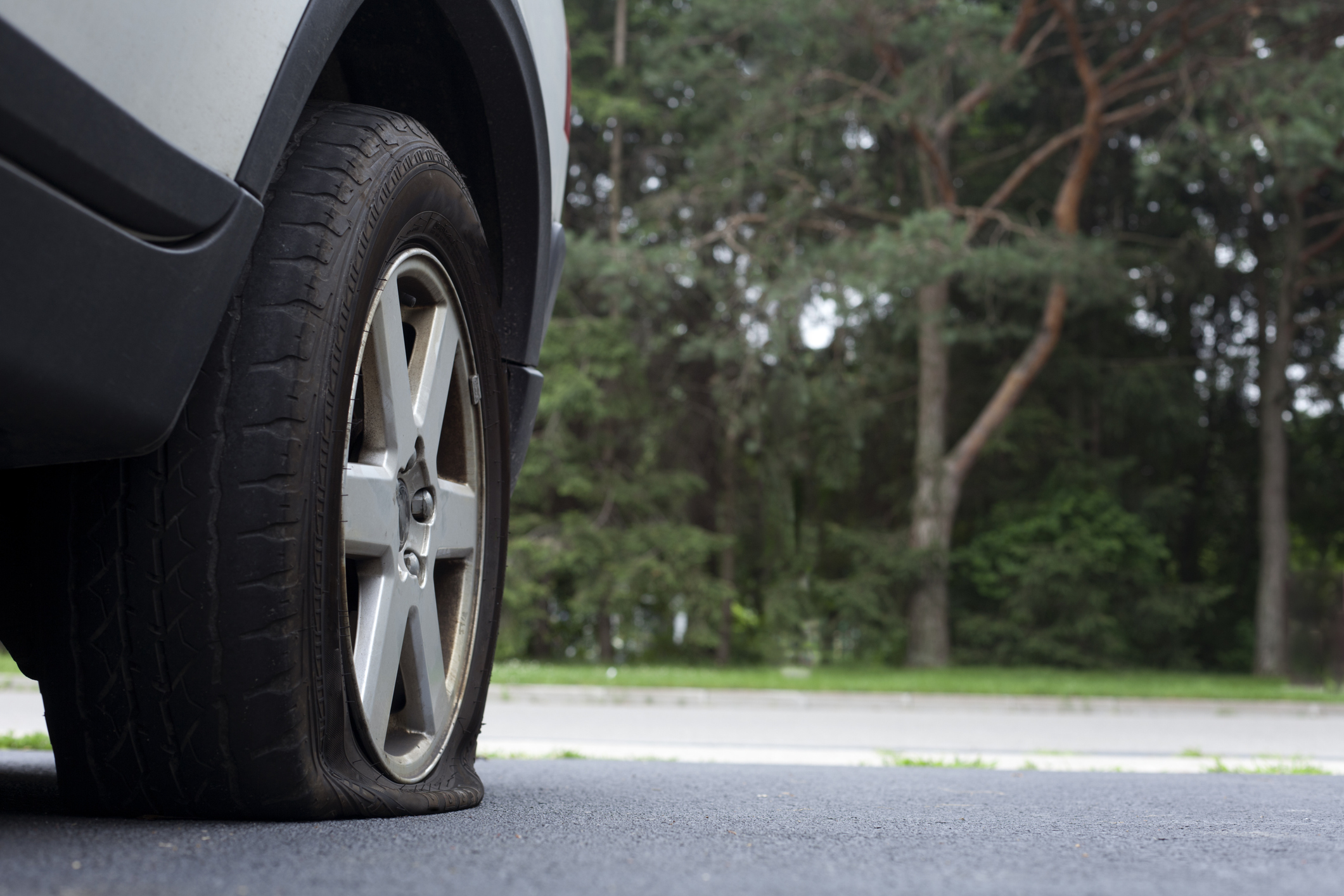
Picture this: You’re driving to work when you notice your car feels sluggish and slow. As soon as you reach your workplace, you realise you have a flat tyre!
Car emergencies can happen anytime and when we least expect it: overheating, an empty car battery, a shattered windscreen, or worse – accidentally encountering a flood.
We can’t predict when a car emergency will occur, so the next best thing we can do is to prepare. No matter what kind of emergency you encounter, ensure you have these essential emergency items in your car if anything should happen.
Top 10 Emergency Items You Must Have In Your Car
1. Reflector warning triangle
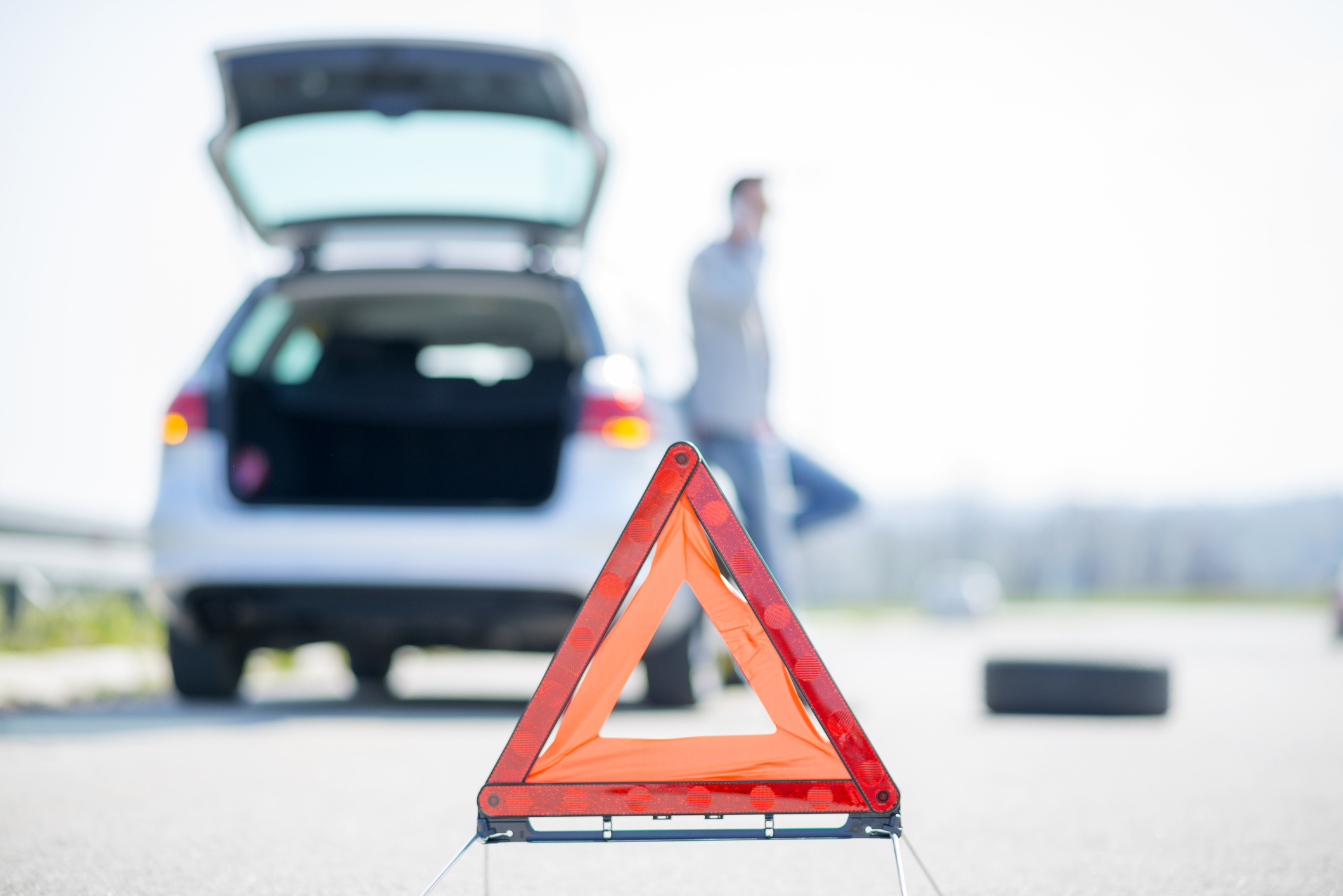
Our GPSes may warn us of incidents near us, but it can be hard to see the affected area. A warning triangle alerts drivers and reduces danger when nearing stationary vehicles, and its fluorescent colour reflects headlamp lights to be highly visible at night.
2. Torchlight and spare batteries
If your phone battery is low and you’re trying to conserve it, a torchlight is an essential item. Moreover, a torchlight has more power than a phone to shine brighter and with a wider range. Keep a spare pack of batteries too to ensure your torch stays on.
3. Spare tyre and tyre-changing equipment
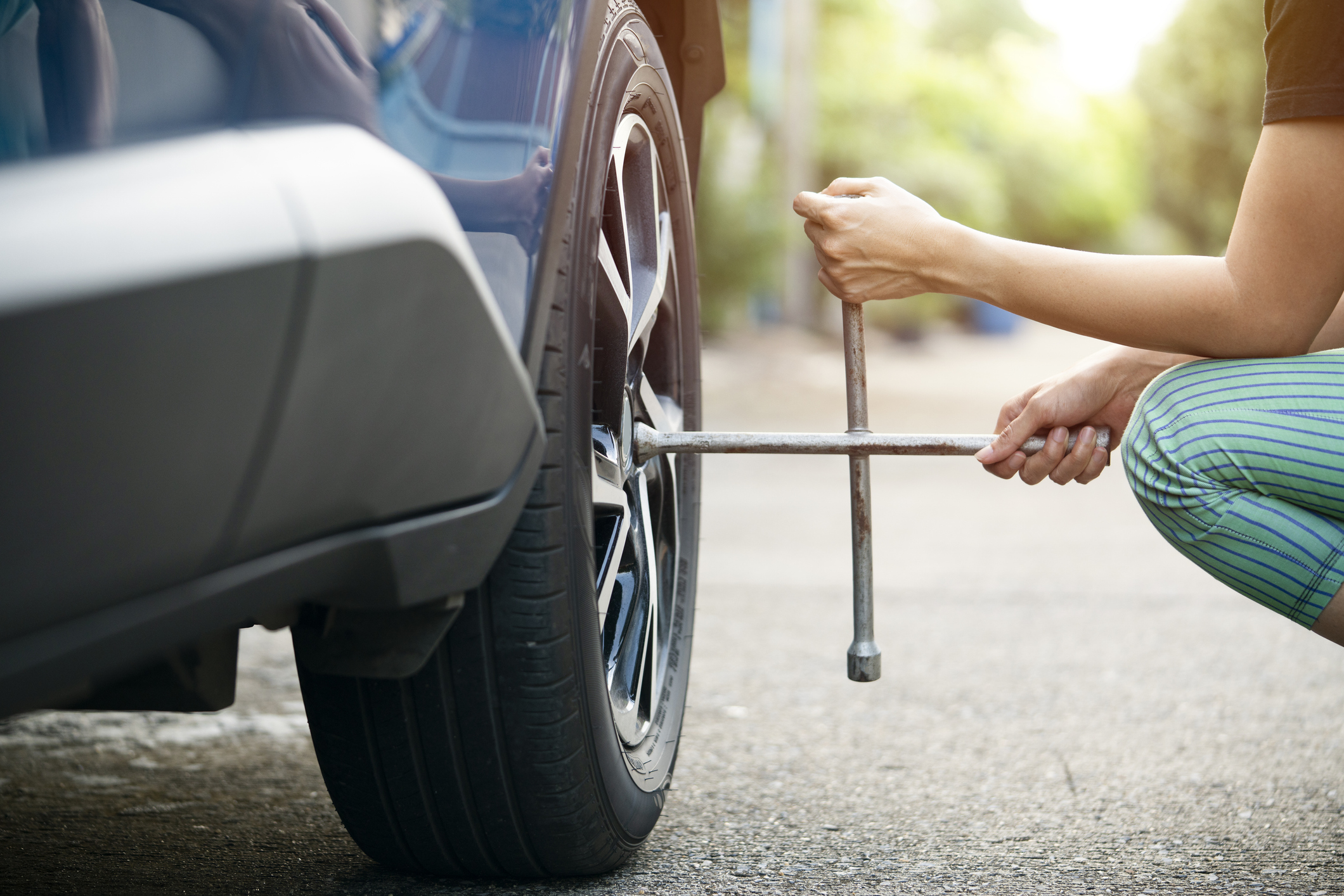
Flat tyres are one of the most common road emergencies, which makes knowing how to change a tyre a valuable skill. Ensure your spare tyre has enough air and you have all the equipment needed (a jack and a wrench). Remember: righty tighty, lefty loosey!
4. First aid kit
From minor cuts to a sudden migraine, having a first aid kit in your car will come a long way in times of need. You can purchase a small pre-packed kit from a pharmacy or DIY your own. Include band-aids, bandages, antiseptic wipes, cotton wool, cotton swabs, saline solution, and any medication you might need.
5. Extra drinking water and snacks
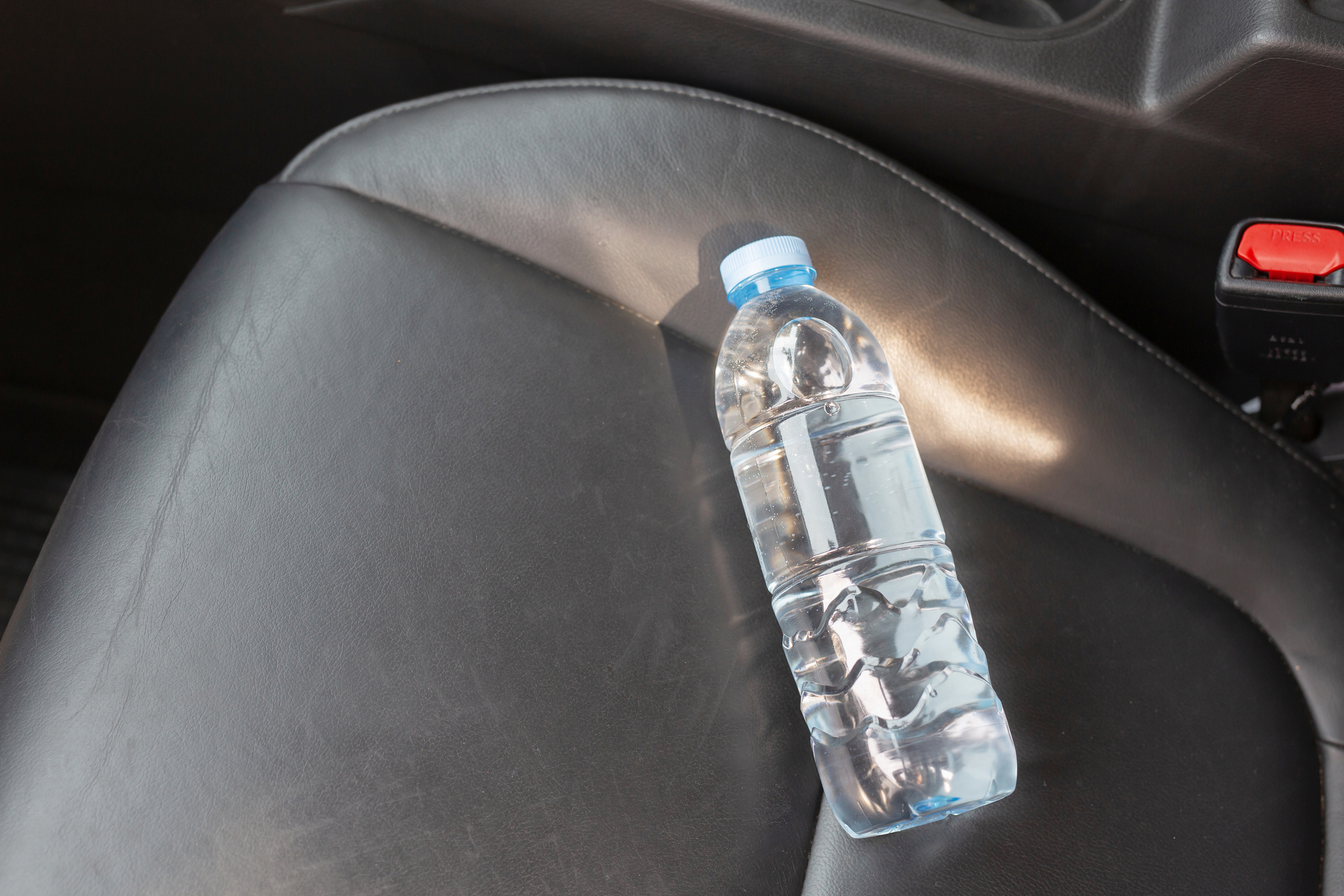
When an emergency strikes, you don’t know how long you’re going to be stuck in that situation. A good practice is to keep emergency drinking water and food with long expiration dates in your car to stay nourished. Ration your consumption to avoid running low on supplies before you’re rescued.
6. Extra non-drinking water
This is optional, but you wouldn’t want to sacrifice your precious drinking water! When a car overheats, one solution is to add water to the radiator to help the car cool down temporarily. Besides, you may need water to help wash off debris or spilled petrol.
7. Jumper cables
A dead car battery does not spell the end – all you need are jumper cables and another vehicle to help you jumpstart your car. Make sure the jumper cables you have are long enough to connect one car to the other, and with rubber handles to provide insulation from the electric current. Do note that certain cars cannot be jump started this way.

8. Portable battery jumper
In the worst case possible where there are no other cars to help you jumpstart your car battery, a portable battery jumper is what you need. This little gadget resembles an everyday powerbank with enough juice to get your car up and running. Some models even include USB charging ports that double as a powerbank.
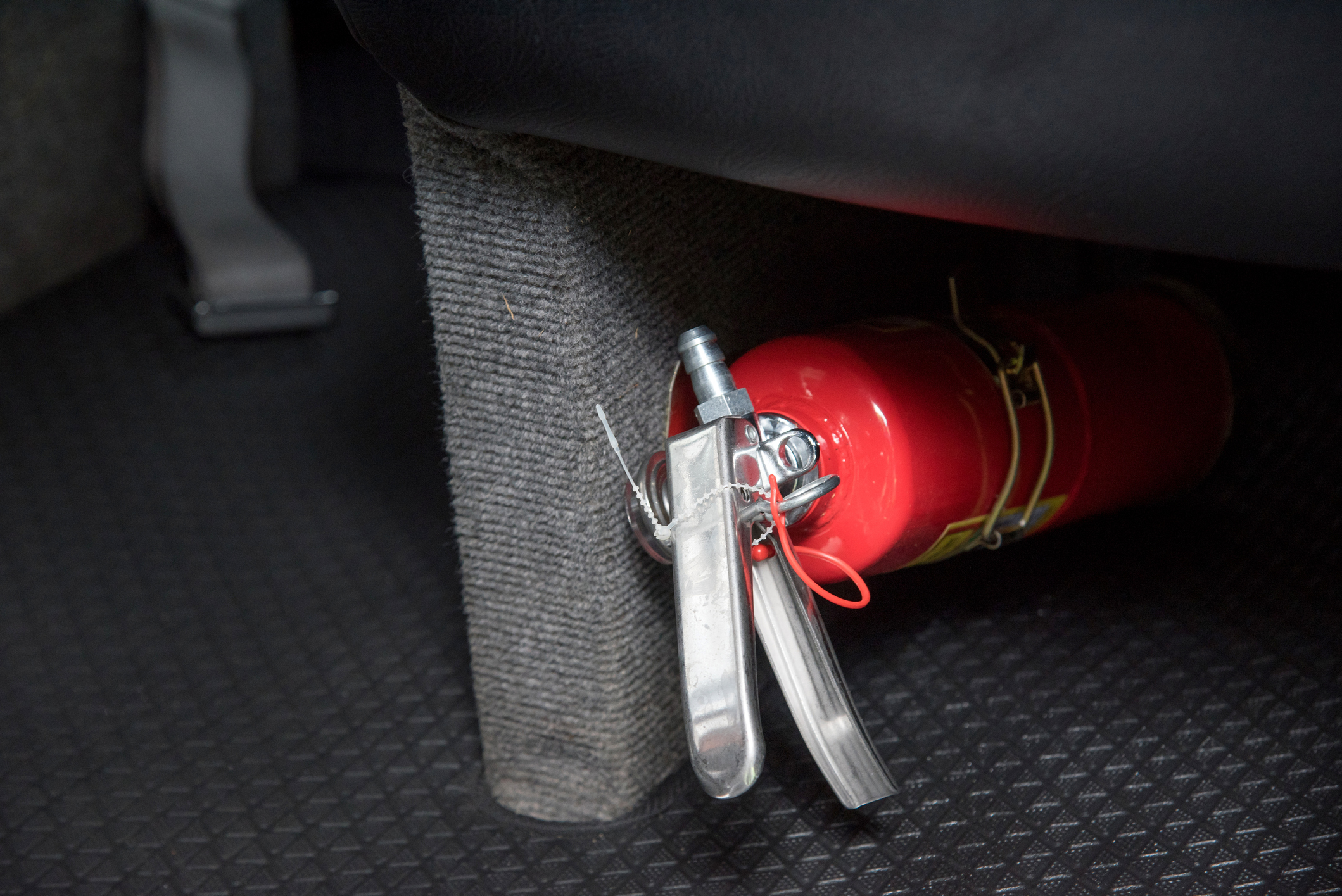
9. Mini fire extinguisher
Small yet life-saving, a mini fire extinguisher is a hero when putting out small fires. Most car fires are typically petroleum fires, so get a suitable fire extinguisher for your car. Plus, check if your extinguisher is SIRIM and PUSPAKOM-approved to withstand the Malaysian heat in vehicles.
10. Multi-tool and emergency whistle
An example of a handy multi-tool for your car is a Swiss Army Knife, designed with many kinds of tools for any need. Whether it’s a pair of scissors to cut cables or a screwdriver to pry open a panel, a multi-tool is a multi-saving equipment.
Apart from this, an emergency whistle can help you call for attention during times of distress. A whistle’s shrill, piercing sound can be heard over traffic and within great distances, letting you conserve your voice and energy.
Other Helpful Things To Have In Your Car
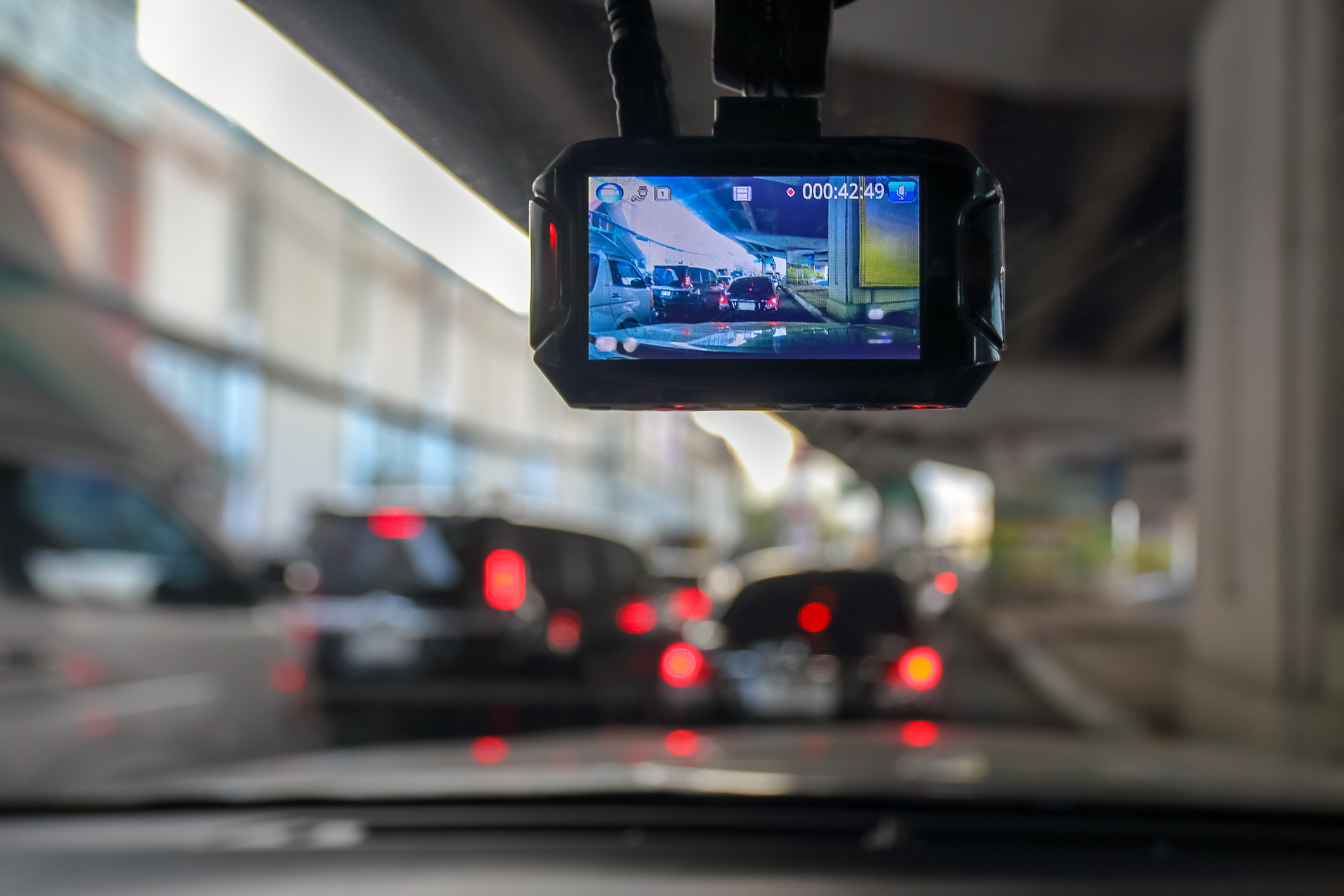
Besides these, it’s worth investing in a high-quality car dashcam for the front and back of your car to record any incidents that might happen. Public Service Vehicles (PSV) such as taxis and e-hailing cars can also consider an indoor camera to safeguard themselves when ferrying passengers.
As a car owner, always have the contact of a reliable car workshop and towing service provider with you on standby. Write down their emergency contact numbers in your car, especially if there are 24-hour services because you don’t want to get stranded alone in the middle of the night.
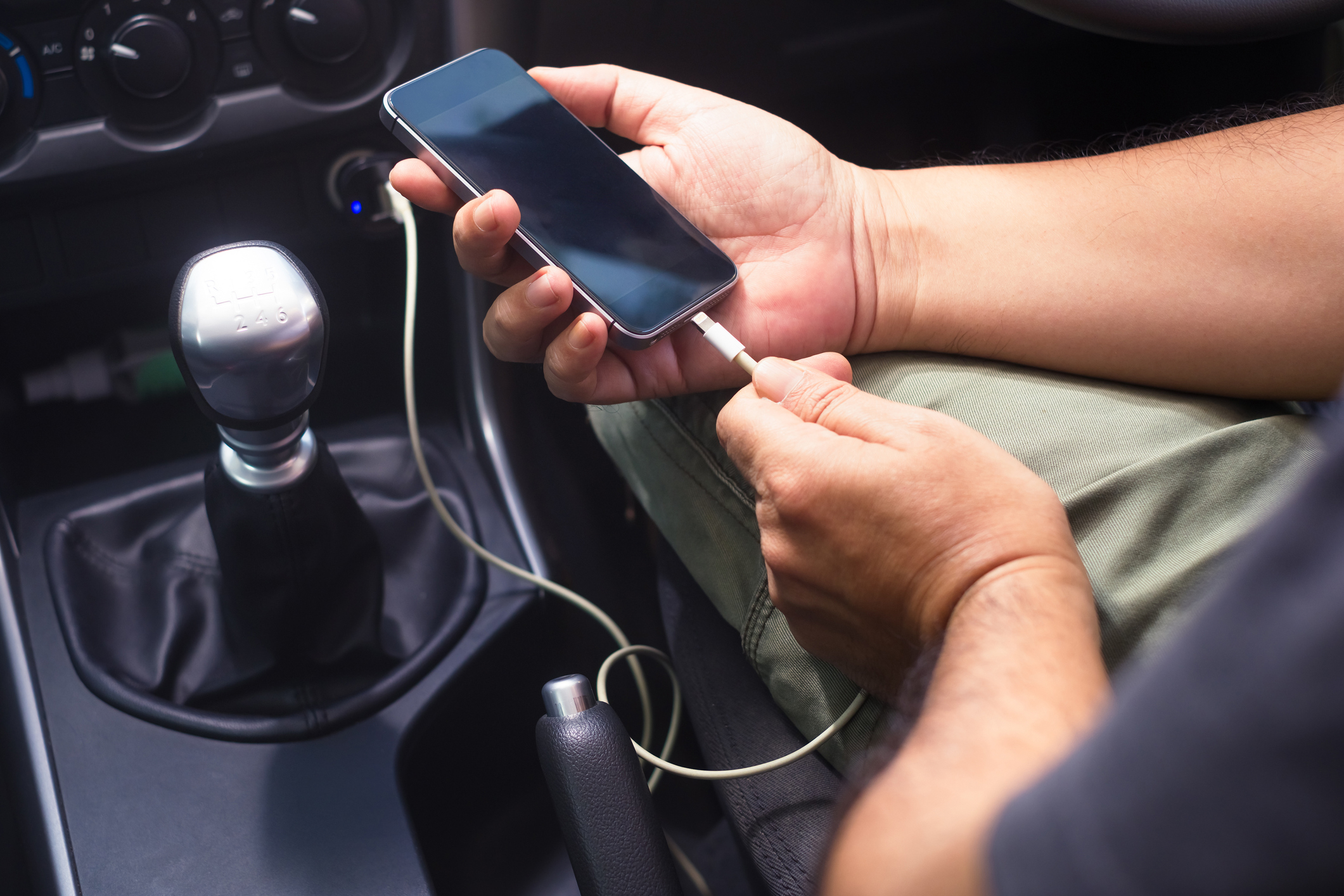
There’s always the possibility of phone batteries running out or damaged to the point of no return. Keep an extra phone charger in your car, along with a small notepad and pen, just in case your phone is out of commission and you have to resort to old-fashioned ways.
Take Extra Care During Car Emergencies
If it’s not you, it could happen to a friend or family member who needs help right away. Remember to be cautious and safe when helping, and call for a professional if the problem is out of your scope or escalates further.
While it’s good to offer help to strangers during times of need, always be mindful and ensure you prioritise your safety. Be vigilant and keep an eye on the traffic and site around you, and make sure the area of the incident is well-lit to warn oncoming cars.