



Be it a new or subsale home, the first and foremost document you’ll encounter and sign on your journey to buying and selling property is the Sale and Purchase Agreement (SPA).
Also commonly referred to as the S&P, the complexity of this life-changing document can be anything but a spa day. In fact, for first-time property buyers, it can be quite a headache with so much new jargon to understand!
But wait, don’t get overwhelmed and pull back on your dreams of buying or selling your home. Let’s take a look and understand what a Sale and Purchase Agreement is all about so you can understand it better and its importance.
What Is A Sale And Purchase Agreement (SPA)?
A Sale and Purchase Agreement is a legally binding and written agreement that contains all the information related to the purchase of a property and details of the sale. The SPA is signed between a buyer and a seller, and the Sale and Purchase Agreement in Malay is known as Surat Perjanjian Jual Beli.
Usually, the seller’s lawyer will draft the SPA and require the buyer and seller’s signature on the contract. Both parties must agree to all the terms and conditions written in the SPA. The buyer normally pays for the Sale and Purchase Agreement.

An SPA is crucial because it details the property transaction and protects the buyer and seller from any changes or revisions to the T&Cs of the purchase. If one party were to change even a minor detail, the other could take legal action against them.
While a Sale and Purchase Agreement is needed to buy a property, inherited or auctioned properties do not require one.
What Does A Sale And Purchase Agreement Include?
The Sale and Purchase Agreement outlines crucial information about the transaction, some of which include:
1. The parties involved in the transaction
The details involve the name and I.C. numbers of the buyer and seller. If you’re buying property directly from a developer, the seller’s details will be the developer’s name and registration number instead.
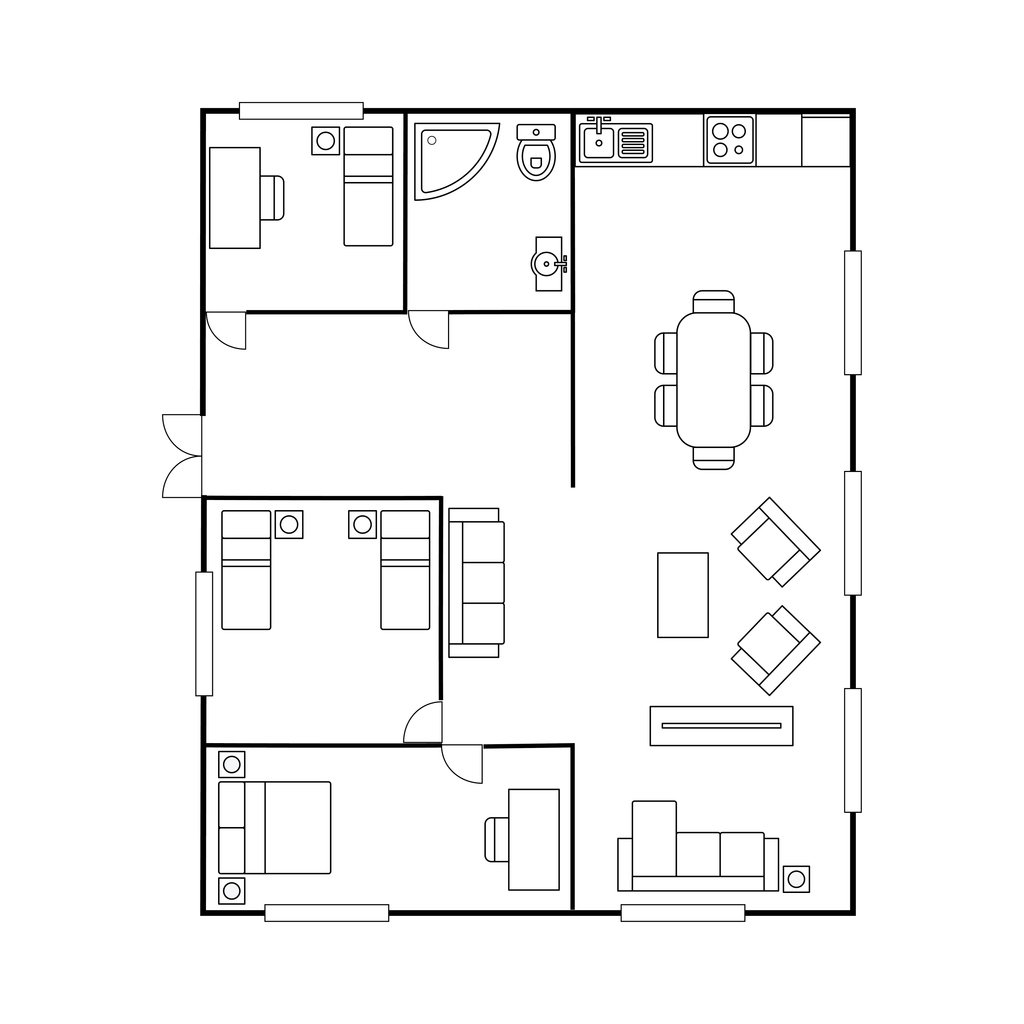
2. House plan and unit number
Certain developments can have different house plans and sizes, so your SPA must contain the correct house plan and the corresponding unit number you’re purchasing. The same goes for building materials, measurements, and facility plans.
3. Manner of payment
This is where all the money matters happen and are recorded, such as the purchase price of the property, downpayment, mortgage loan, and the currency for the payment to be received. If you’re applying for a mortgage loan, the SPA will also note the loan amount and terms of payment for the loan.
3. Delivery of Vacant Possession
The delivery of Vacant Possession (VP) is the timeframe you can expect your house to be ready and delivered to you. From the date the SPA is signed, the developer – or seller – must complete and deliver the property to you within 24 to 36 months.
4. Liquidated damages
No, it’s not damaged liquids. Liquidated damages are the sum a seller will need to pay the buyer for delaying their Vacant Possession, which is most often 10% of the property’s purchase price.
5. Defect Liability Period (new properties only)
For new homes, once you get the keys from the developer, you will have a set amount of time to inspect your property for defects. This is called the Defect Liability Period (DLP) and serves as a sort of ‘warranty’, whereby the developer must fix any damages, defects, or poor workmanship found.

Is Every Sale And Purchase Agreement The Same?
Depending on the property type, the Sale and Purchase Agreement differs. According to the Housing Development (Control and Licensing) Regulations 1989, the two common types of SPAs are:
1. Schedule G for landed individual titles
Schedule G is specifically for landed properties such as terraced homes, semi-detached homes, bungalows, and more. The Real Estate and Housing Developers’ Association Malaysia (REHDA Malaysia) has a helpful Sale and Purchase Agreement sample for landed homes.
2. Schedule H for properties with strata titles
Schedule H is specifically for strata-titled properties like condominiums, apartments, townhouses, and the like. REHDA Malaysia also has a Sale and Purchase agreement sample for strata title properties that may come in handy one day.
The difference between Schedule G and Schedule H is the type of property and the terms of property completion and delivery date. Schedule G has a timeframe of 24 months from the date the SPA is signed, whilst Schedule H has 36 months.
Can I Cancel The Sale And Purchase Agreement?
Once you sign the Sale and Purchase Agreement, you can cancel it, but be prepared to pay a penalty.
Generally, SPAs include a clause regarding the cost of terminating the agreement, which is usually 10% of the property’s purchase price. If you bought the property at RM650,000, the termination fee would set you back RM65,000!
This clause applies to whichever party decides to terminate the SPA. If the seller decides they do not want to sell the property after all, they will need to pay the penalty to the buyer. The seller may also face legal repercussions, as the SPA has a specific clause related to the seller’s performance.
Agreeing To A Sale And Purchase Agreement
A Sale and Purchase Agreement is a legally enforceable document, so take your time to think long and hard about your property purchase before you sign on the dotted line. Don’t rush into it and sign immediately as well – go through the SPA thoroughly, understand what you’re committing to, and allow yourself ample time to consider everything.
Above all, ensure the property you’re buying ticks all the boxes – including your heart. Whether it’s for your family or investment purposes, consider the purchase on a long-term basis, as it is a considerable and costly move to make.