


Buying a car is one of the most exciting times in life because it symbolises the freedom to drive and travel around – anywhere and anytime you want!
A car is an efficient medium of transportation to get from one destination to another. But for some, owning a car also signifies a new stage in life and an upgrade.
Whether you’re an experienced veteran or a first-time car buyer, there are several things you mustn’t miss out on checking when buying a used or second hand car.
By doing your due diligence and conducting thorough checks before buying a car, you can save money, time, and convenience down the road.
13 Things To Check Before Buying A Used Car
1. Car’s Manufacturing Year
Like a fingerprint, each car has a distinctive engine number or chassis number, also known as the Vehicle Identification Number (VIN). Made up of a unique yet structured combination of 17 characters, the engine number is provided by the manufacturer to identify the vehicle – just like our national IC!
Within the engine number is a code that states the year the car was manufactured. It is usually on the driver’s side door, and to identify the car’s manufacturing year, you can cross-check the engine number online or refer to the year written on the car grant.
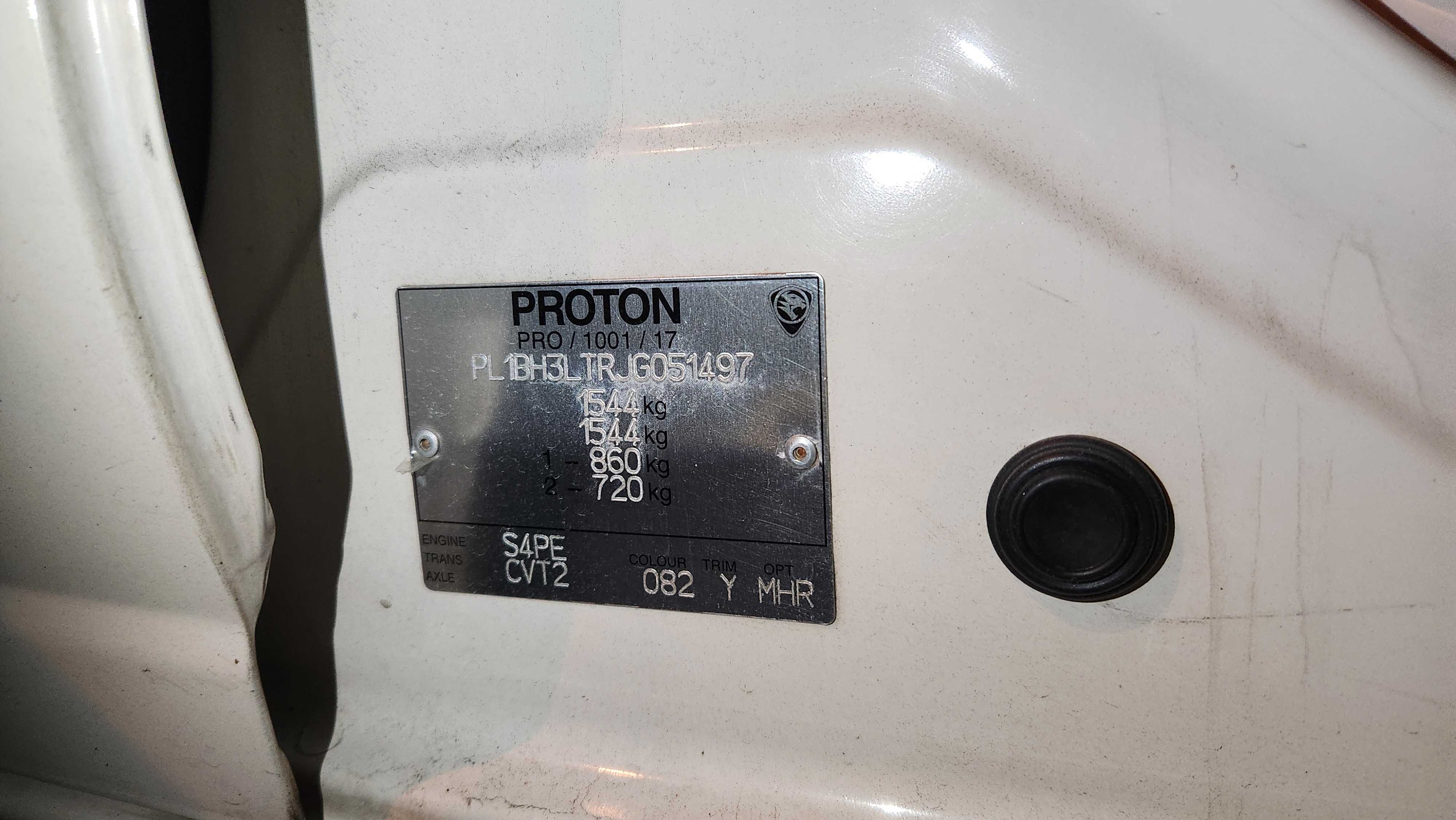
The car’s manufacturing year should be the same as what’s being advertised by a car dealer. If the years do not match up, don’t be afraid to clarify, as it could affect your car’s resale value if you sell it later.
2. Matching Engine Number
Like we mentioned before, the engine number is located on the same little plaque as the VIN, and it must match the engine number written in the car grant. If they are different, PUSPAKOM will reject the car during its routine pre-selling inspection as it is considered unidentical.
3. Car Mileage
On average in the Klang Valley, a vehicle clocks about 20,000km per year. To know if a car’s mileage is low or high, divide the number on the odometer by the car’s age. If a car clocks 40,000km but feels sluggish, the odometer may have been tampered with.
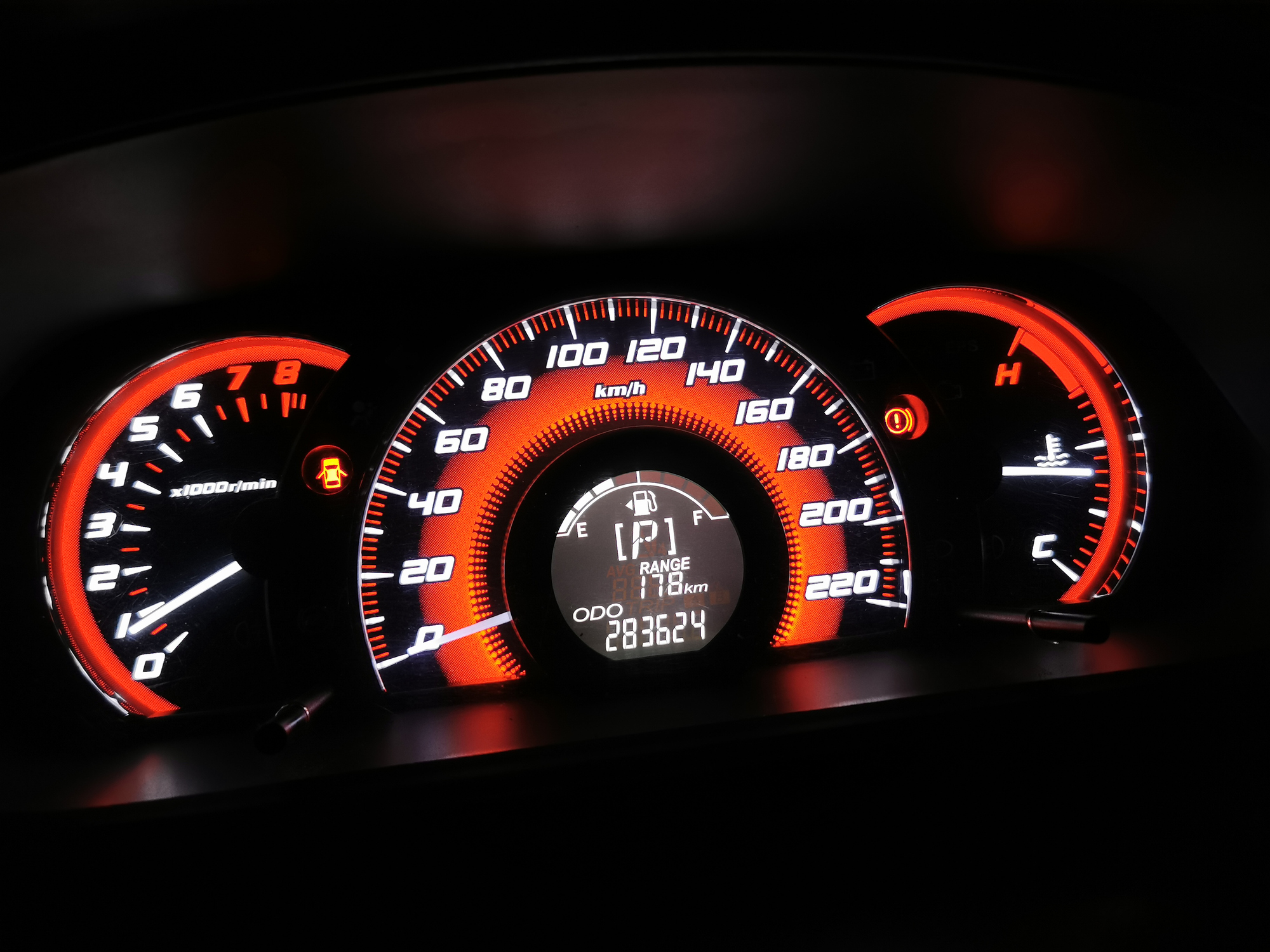
Signs of odometer tampering are usually small markings or abrasions around the dashboard. However, even if there are no noticeable signs but you feel something’s off, it’s best to get a second opinion from a reliable car workshop.
For added assurance, always ask for the car’s maintenance or service booklet, and inspection records from the dealer to confirm the car’s real mileage. If there is evidence the odometer has been tampered with, you can file a claim with the Tribunal For Consumer Claims in Malaysia.
4. Accident History
Cars that have been in accidents, no matter how big or small, will require some work to restore or repair. However, cars involved in major accidents that have undergone extensive repair may not be entirely safe to drive or provide a good driving experience.
Some telltale signs if a car has been in an accident include mismatched body paint or car parts, an imbalanced car alignment, and noticeably creased or dented body panels. Ask the dealer or seller about the car’s complete accident history, and make sure it checks out with the repair done to the car.
5. Service History
Most car service intervals are every six months or at a certain mileage, and a good service track record ensures that the car is in tip-top condition.
However, delaying service appointments – or not servicing a car at all – can affect its performance, especially if it is delayed more than three times. It may also indicate a lack of care from the previous owner.
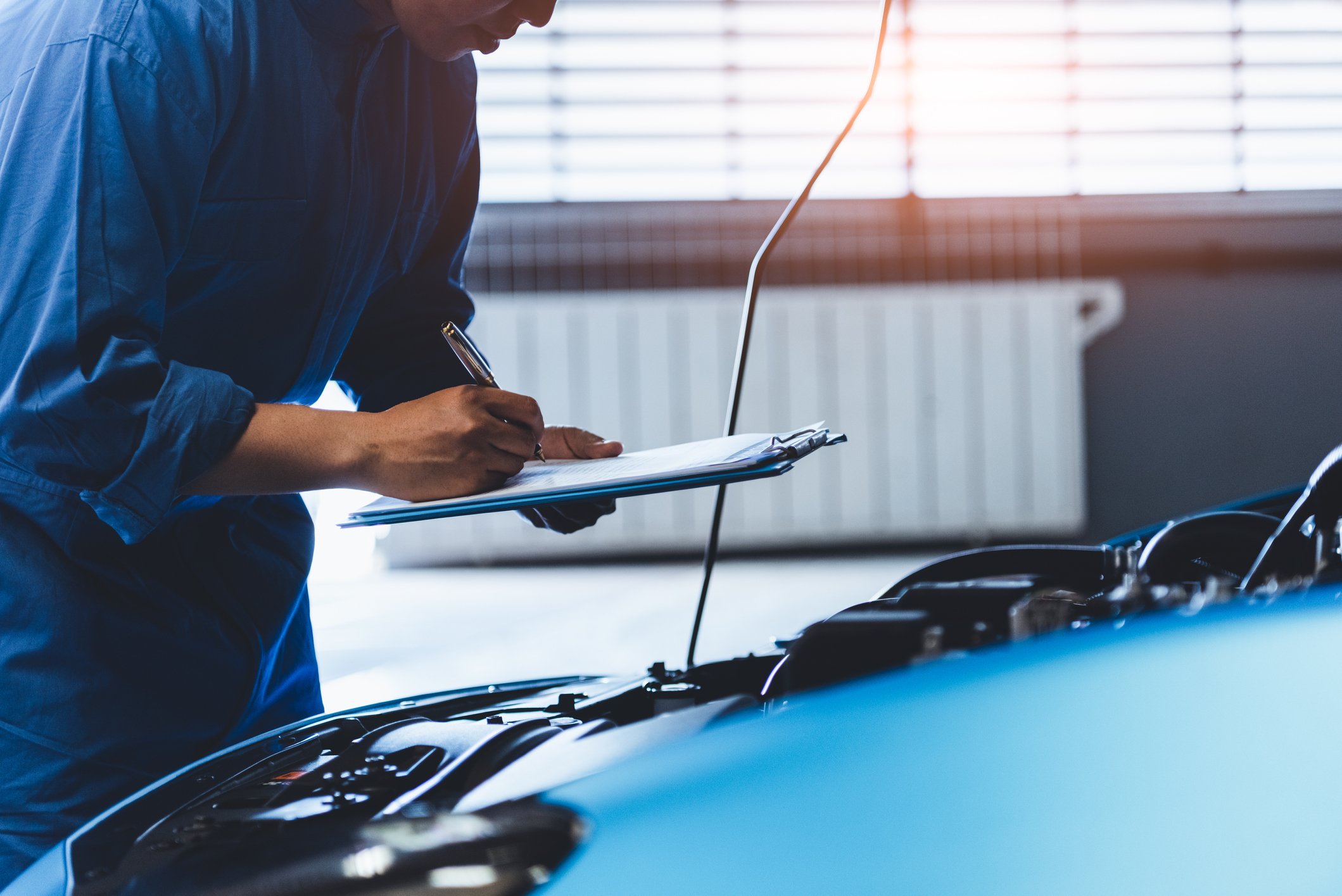
To check a car’s service history, look at the maintenance or service booklet that logs in detail the date of service, what was serviced, and more. If the car does not have a service booklet, ask the previous owner for the service receipts so you know what was serviced previously.
6. Ownership History
If there has only been one owner before you, the previous owner’s details will be in the car grant before being updated to yours upon purchase.
For cars beyond third-hand or recon cars, tracing their complete ownership history can be challenging. It can still be done with a simple inquiry to the Jabatan Pengangkutan Jalan (JPJ). Alternatively, you can contact the car’s original service centre to get the previous owners’ information.
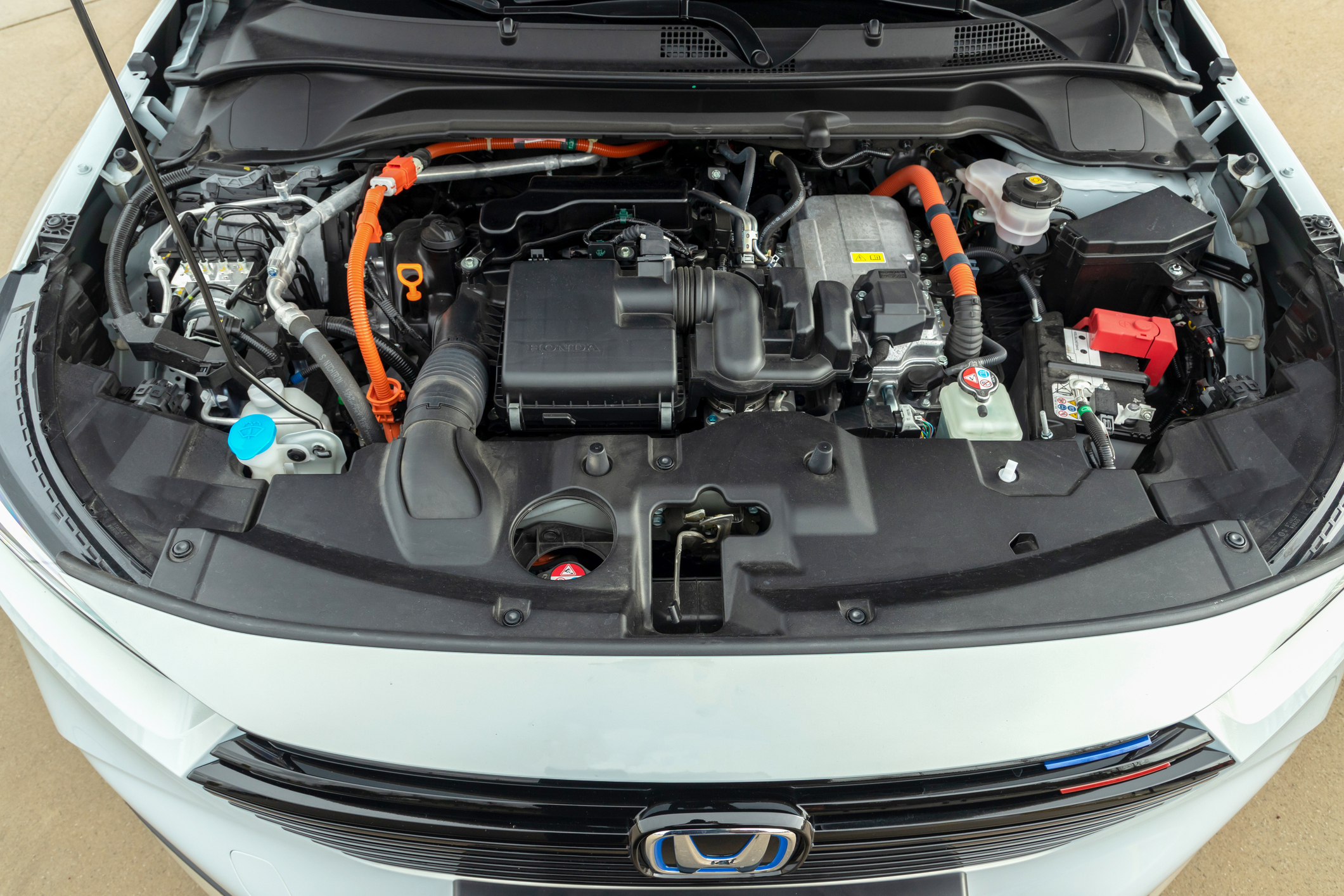
7. Engine Condition
Taking a look under the hood can explain a lot about a car, but the main things you need to pay attention to are:
- Fluid levels: Ensure they are sufficient, clean, and do not have any leaks.
- Battery connections: Ensure the batteries, their connections, and their cables are intact, in good condition, and not too old.
- Overall: Ensure the exhaust system, cables, gaskets, hoses, screws, nuts, bolts, and everything in between are in excellent working condition. They should look the same age as the car, and if they aren’t, it’s worth asking why.
8. Interior And Exterior Condition
The inside is just as important as the outside. When purchasing a used car, pay close attention to its interior and exterior state to determine if it requires a lot of TLC and fixing up.
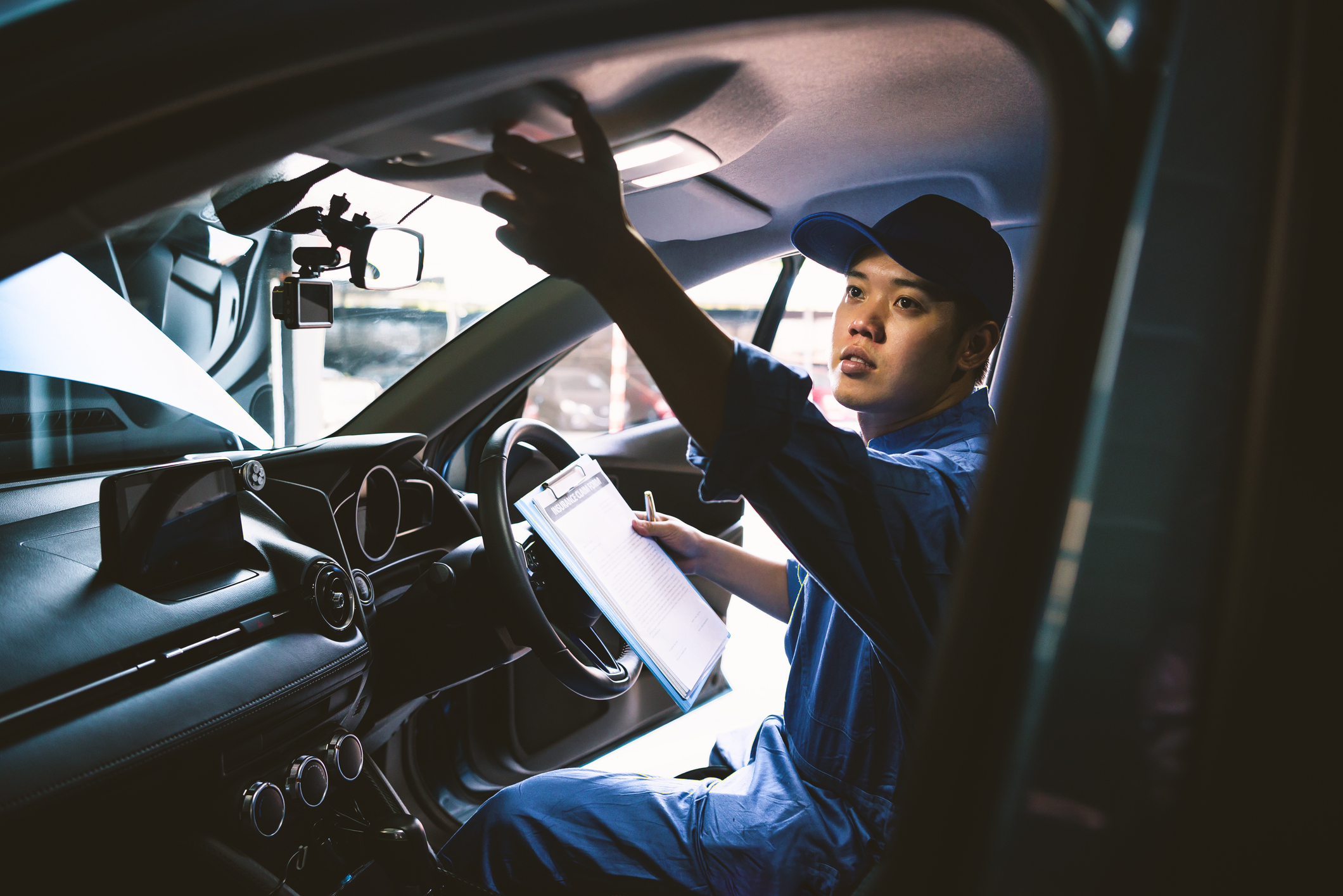
What to check when inspecting the interior of a used car:
- Trimmings and large surface areas like the seats, carpets, headliner, dashboard, door panels, door and grab handles, as well as the air-conditioning and audio controls.
- Cracks in the leather upholstery, or sticky or cracked plastic parts.
- Signs of moisture, mould, cigarette burns, or lingering odours.
On the other hand, take these into account when inspecting the exterior of a used car:
- Body panel build quality and seamlessness between the panels.
- Matching paint finish and even paintwork with no bubbling paint spots or uneven tones (be sure to compare it to the colour stated in its vehicle registration).
- Presence of any scratches, dents, or paint chipping.
- Headlamp and tail lights’ brightness and clarity.
- Any blemishes on the windscreen that may lead to bigger problems.
- Tyre treads, pressure, and overall tyre condition.
9. Tyre Condition
The wheels on the bus go round and round, and that’s what drives a car forward. Inspect a used car’s tyre condition thoroughly for wear and tear that goes beyond regular road driving.
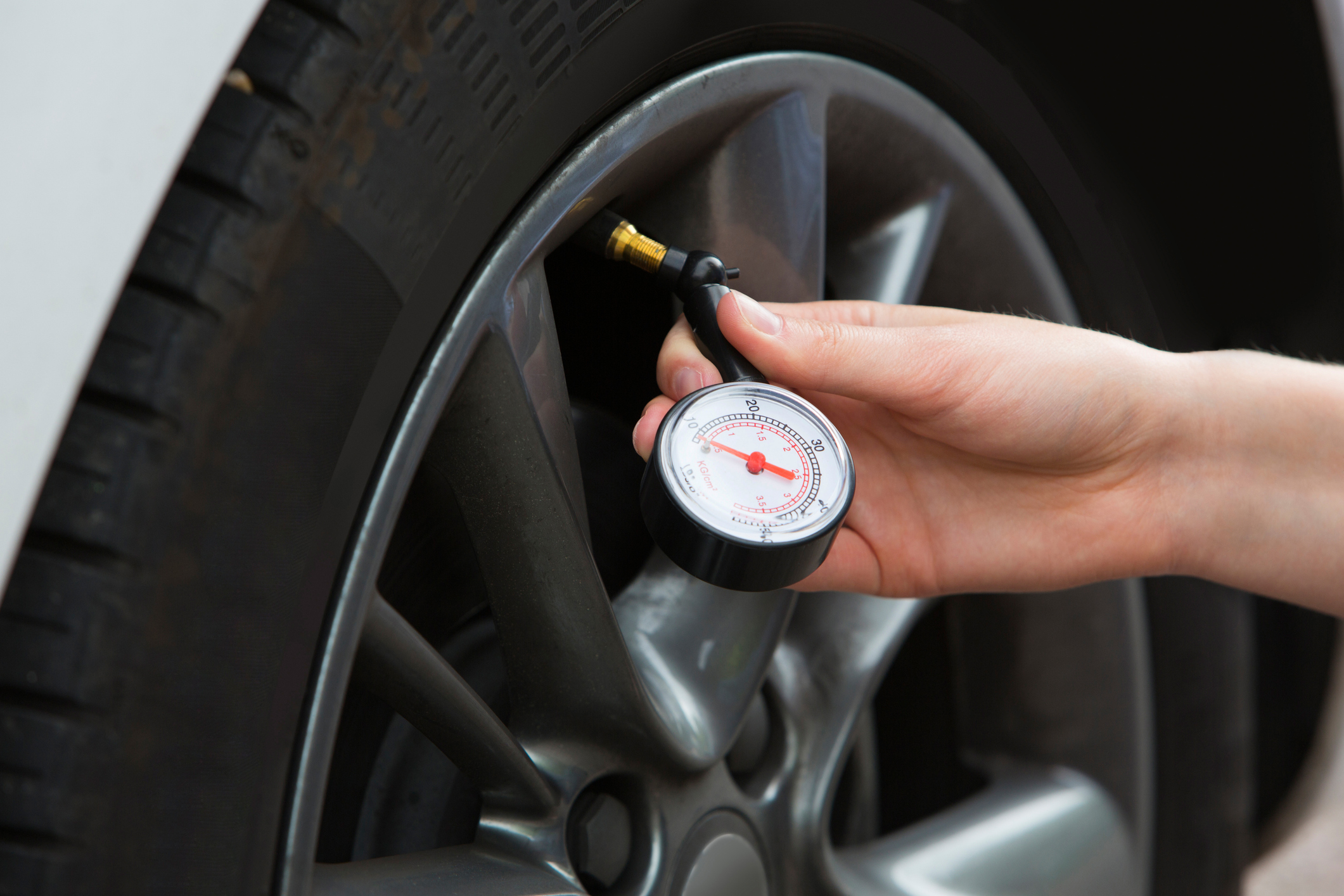
In particular, this means checking the treads, any puncture marks, cuts, or bulges, and the age of the tyres. Additionally, the tyres should be equally worn out and not only in the middle or at the sides.
10. Basic Car Functions
These car functions span from the inside to the outside, encompassing every working feature of the car that you will need when driving, reversing, parking, or even shifting into neutral.
The comprehensive list of car functions to test before you buy are:
- Air-conditioning: Temperature and fan speed controls, air coolness, odours from air vents, and the condenser and compressor’s condition.
- Boot (trunk) space: Dry and a big enough space.
- Electric sunroof: Opening and closing controls, sunroof shade, and any safety features.
- Car fluids: Brake fluid, car oil, transmission fluid, power steering fluid, and water.
- Honk: All parts of the honk respond and produce a sound.
- Lights: Interior lights, exterior headlamps and tail lights, hazard lights, car indicators, instrument panel lights, and warning lights.
- Locks: Central-locking system, individual locks by individual panels as well as on the driver’s side.
- Multi-entertainment functions: Volume controls, AM/FM toggles, Bluetooth connectivity, GPS accuracy, screen/audio clarity, reverse cameras or dashcams, sensors, and USB charging ports.
- Mirrors: Windscreen clarity, side mirrors, rear-view mirrors, and pull-down mirrors.
- Parking brake: Firm brake pedal, smooth braking, and ease of pulling the handbrake.
- Seats: Reclining and the ability to move forward and backward smoothly.
- Seatbelts: Able to buckle in quickly and retract, along with the seatbelt locking mechanism.
- Steering wheel: Alignment and the steering wheel’s condition.
- Windows: Winding up and winding down process and clarity.
- Wipers: Wiper speed, fluid, wiper arm, wiper rubber, and wiper blade.
11. Signs Of Rust
Rust commonly occurs in places such as the car roof, undercarriage, and wheel arches. Be that as it may, it can happen in other parts like the floor, especially if the car has been through flood or water damage.
Signs of rust include black or white rusty spots on metallic surfaces, powdery texture on body paint, and tiny rust holes. If you’re not sure if it’s rust or paint fragments, consult a professional mechanic for advice, as rust can spread and cause structural damage if not treated properly.
12. Car Warranty
Depending on the age of the used car, it may or may not still carry the original manufacturer’s warranty. New car warranties can last up to five years – hence, if a car is bought and sold within that period, the warranty can be transferred to the new car owner!

The car warranty foots the repair cost of certain car parts that become faulty due to issues or defects from the manufacturer. Well, what about cars with no warranties?
For cars without warranties, buyers can ask for an extended warranty from the car dealer. The warranty coverage terms will vary based on the car, but one thing’s for sure: always go to an authorised service panel, as not doing so may void your warranty.
13. The Test Drive Experience
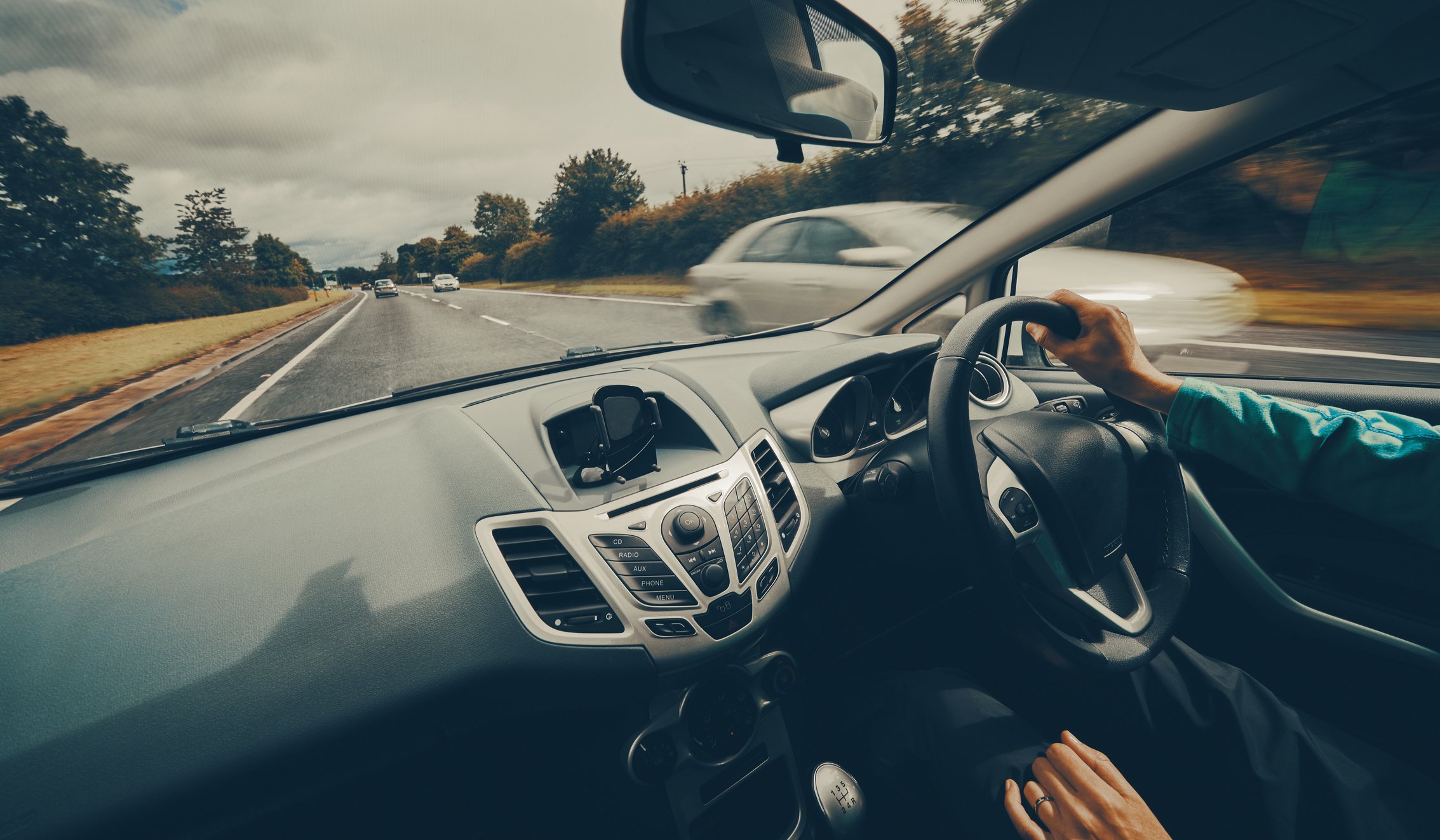
Finally, before buying a car, it’s time for a test drive. After all, if it doesn’t feel like a smooth drive after 30 minutes or so, it won’t for the next few years. So what do you need to know when test-driving a used car?
- Start the car and listen to its idling engine. Make sure there are no sputtering or choking sounds, as it may indicate engine problems.
- Switch on the air-conditioning to ensure the air is cold and flows from all the vents properly.
- Identify your views and vantage range through the windows, and any blind spots.
- Get a feel of the transmission and steering as you drive.
- Evaluate the solidness of the suspension system and the car, especially when on-loading and offloading heavy objects.
- Pay attention to the noise isolation of the car from outside noise, as well as any internal rattles or squeaks.
After your test drive, a good practice is to pop the hood open and check if the engine bay is running smoothly without any leaks. While not every car’s engine bay can be spotlessly clean, look out for oil stains that may indicate a broken gasket.
For greater assurance, get a second opinion from a trusted friend or mechanic. Having someone else with you during your test drive and inspection can help detect any car troubles you may have missed.
If you’re still unconvinced, request for a detailed car inspection record to know everything about the car. You can also ask Mudah.my to help inspect the car, even if you’re not buying or selling it on our marketplace!
5 Reasons To Buy Used Cars
1. Affordability
In terms of affordability, the price of a used car is lower than a new one, so you’ll be saving on your monthly repayment. Besides, you can get a better rate for your hire purchase loan and lower monthly repayments because of lower costs.

2. Depreciation Over Time
Unfortunately, a car is an asset that loses value as soon it’s sold and driven off into the sunset. Moreover, the quickest depreciation happens during the first few years of its usage. Because a second hand car already has a few years to its name, you won’t lose out on much when purchasing as it will eventually depreciate further.
3. As A Status Symbol
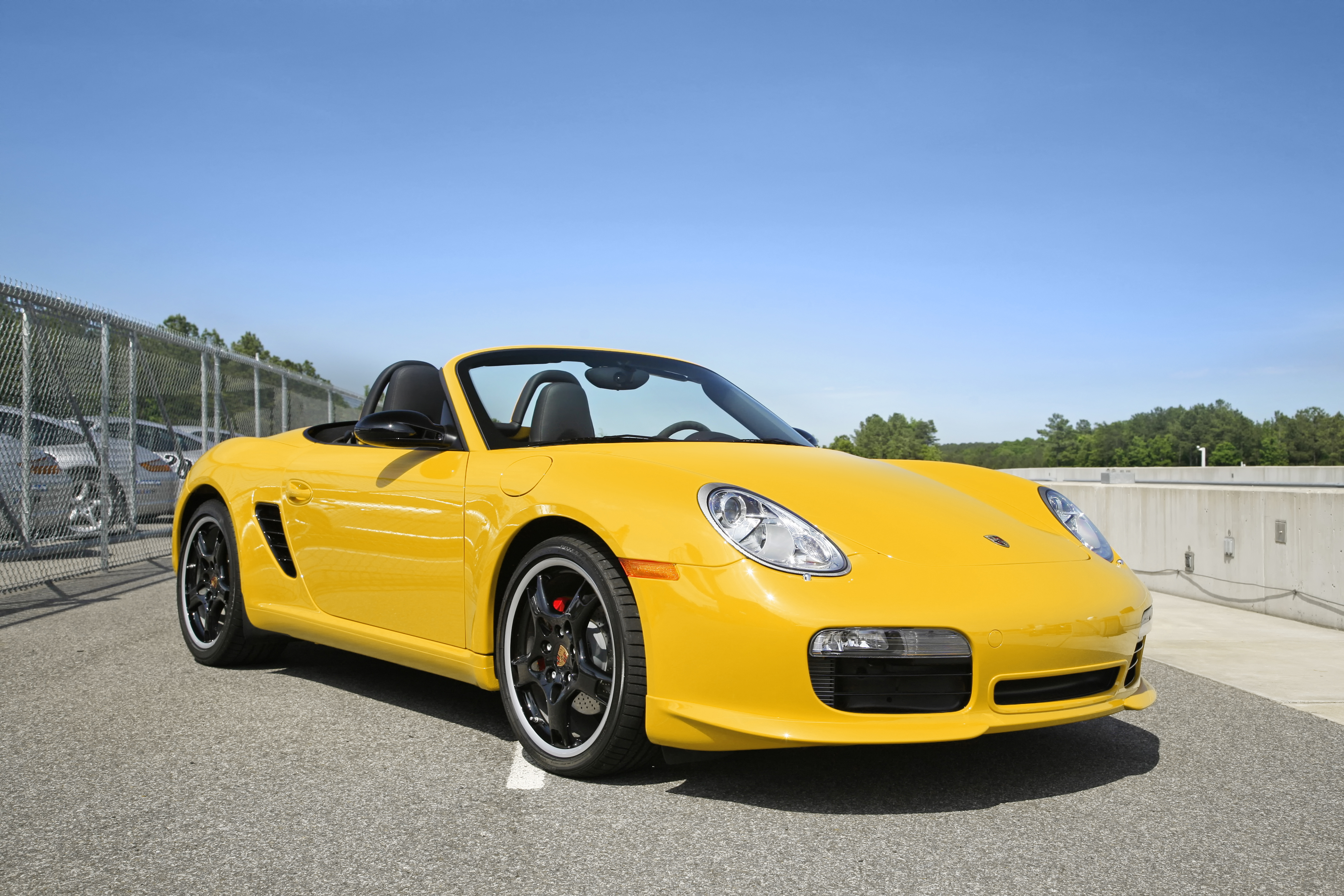
Purchasing a used car can be a pathway to owning a top-of-the-line vehicle, because you can own the same car brand instead of splurging on the latest, more expensive version. Driving a branded car – although used – can elevate your status and impress others, which could help you close business deals to earn money and buy another car.
4. Cheaper Insurance
The price of car insurance is determined by various factors, but mostly by the car’s market value. As a used car will have a lower market value, its insurance premium will be lower as well.
5. Eco-Friendly
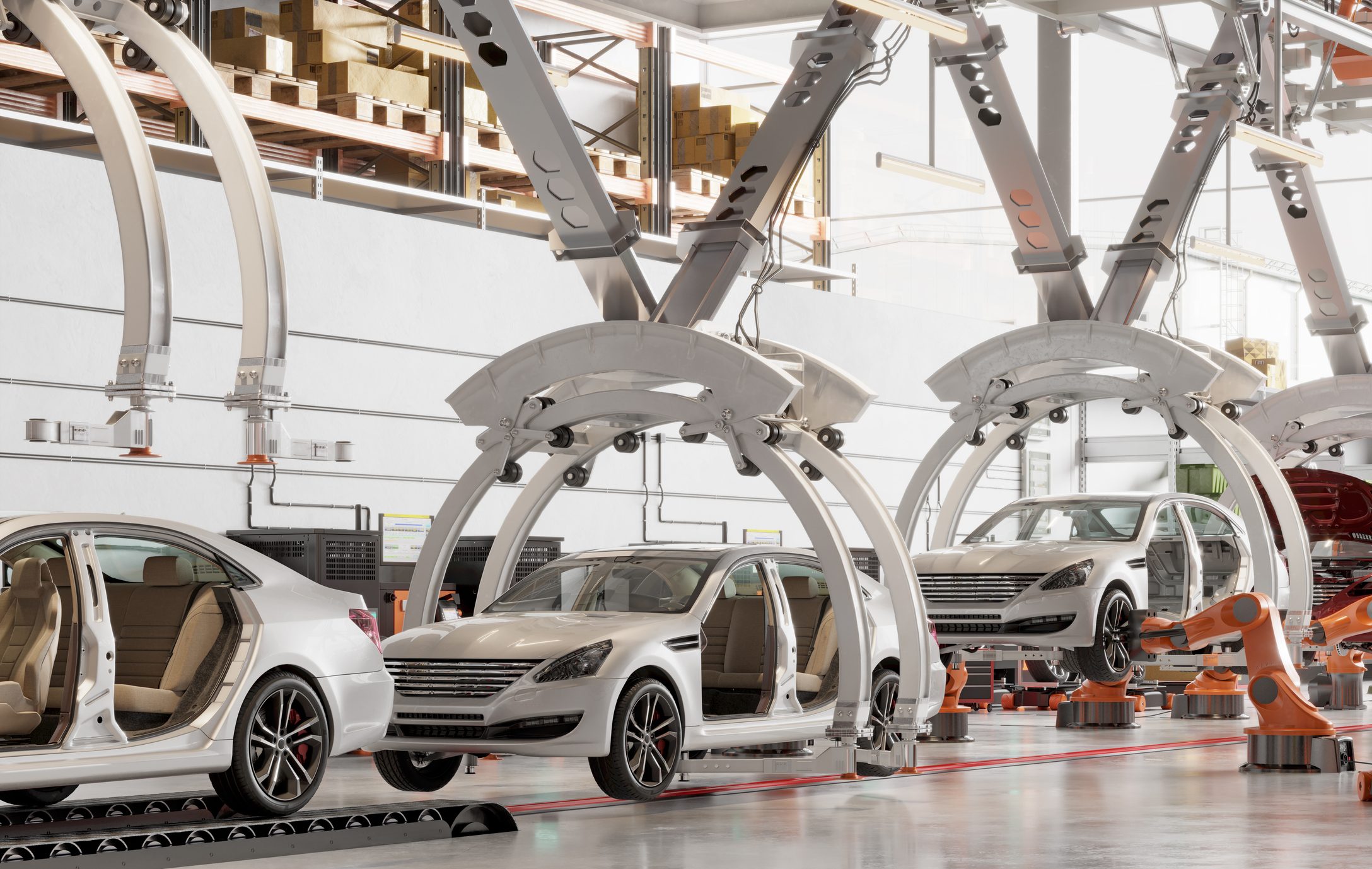
Buying a used car is a greener, more eco-friendly option as it reduces the consumption of new goods. At the same time, it minimises carbon footprints as they do not require new productions, assembling, or materials compared to a brand-new car.
3 Factors To Bear In Mind When Buying A Used Car
1. Your Budget
Although used cars are generally cheaper than new cars, that’s only the upfront cost.
To determine the ideal budget for your car and how much you can afford, don’t neglect to include your loan’s interest rate when purchasing. Other financial aspects include the cost of maintenance; insurance, road tax, and service fees; as well as additional warranty if needed.
2. The Type Of Car
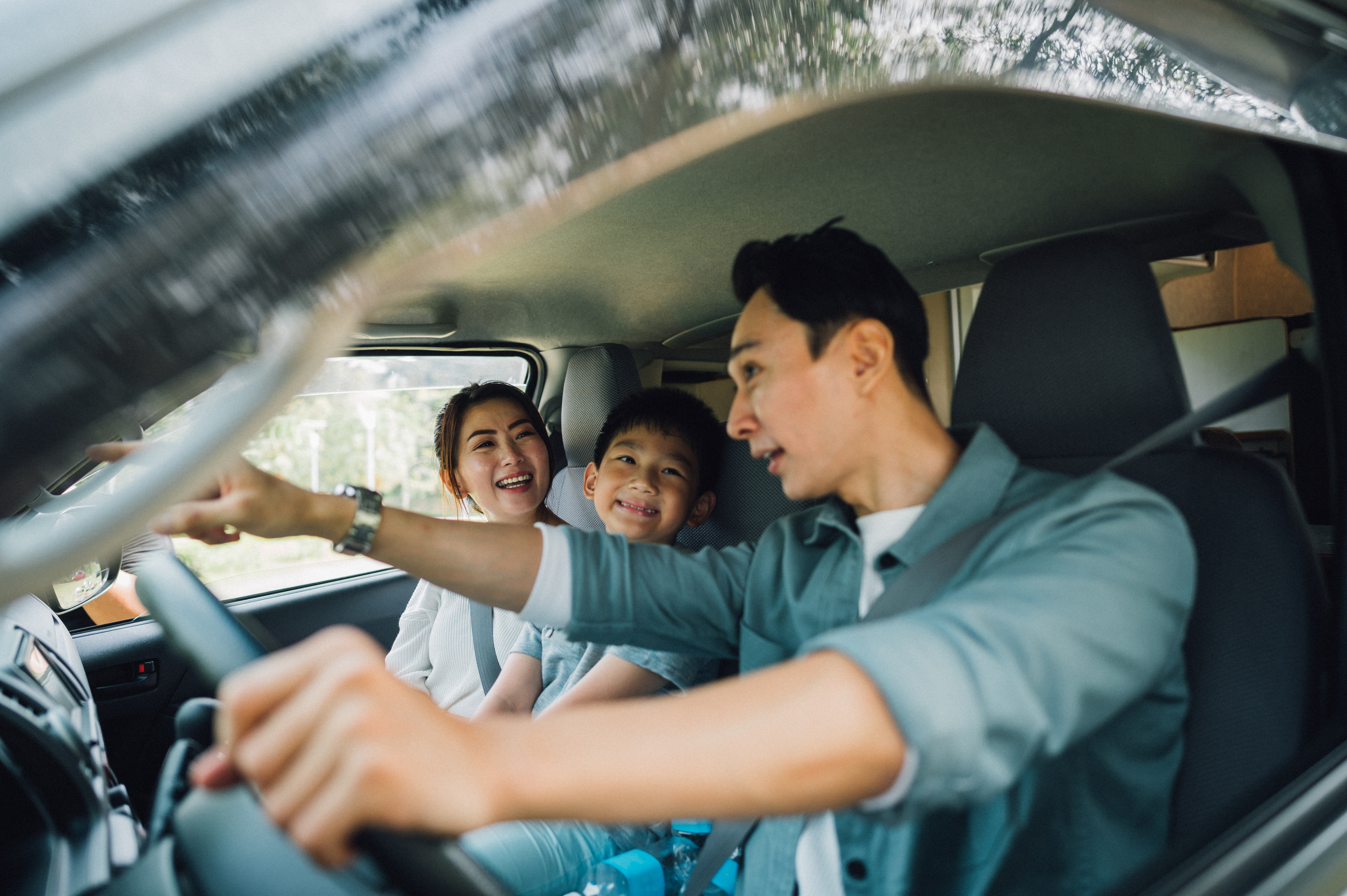
You may dream of driving a sporty sweetie around town, but if you plan on expanding your family, a sports car will have to wait to make room for a family-friendly vehicle. As such, consider and research the car you’re interested in as it can range in price, size, design, and functionality.
3. The Convenience Of Buying
The car-buying process should be convenient and efficient to leave you feeling satisfied.
Some instances of convenience when buying a car can be the ease of inspecting it, enjoying complete sales assistance and professional car consultations, or even having it delivered to you for a test drive! Buying a car should be a process that makes you feel safe, assured, and happy with your purchase.
A Used Car Can Still Be Put To Good Use
Ultimately, not all used cars are old and in bad shape – some are in excellent condition! Perceiving and generalising these cars as ‘scrap metal’ is a stigmatisation that needs to stop, especially when considering the various benefits of buying a used car.
Above all, it’s important to identify and settle on a car that fulfils your needs and requirements. Be it a suave BMW to flex when meeting a client, or a Toyota Alphard to fit your entire family, a second hand car can offer just as much as the first dream car you ever saw.