



Different cars have different driving experiences, and where you drive plays a part. Some prefer smaller hatchbacks for city drives, while others don’t mind cruising in a 4WD through traffic.
Regardless of the type of car, what’s vital is a driving experience that you enjoy. If you’ve been thinking of buying a used car, the first thing you need to do before that is to check the car!
Used cars come in various conditions, from smooth sails to rough drives, which makes a test drive all the more essential to assess the vehicle and if any repairs are needed.
Be a smart car buyer and follow this list of what to check when test driving a used car before you buy.
14 Important Car Things To Check During Your Test Drive
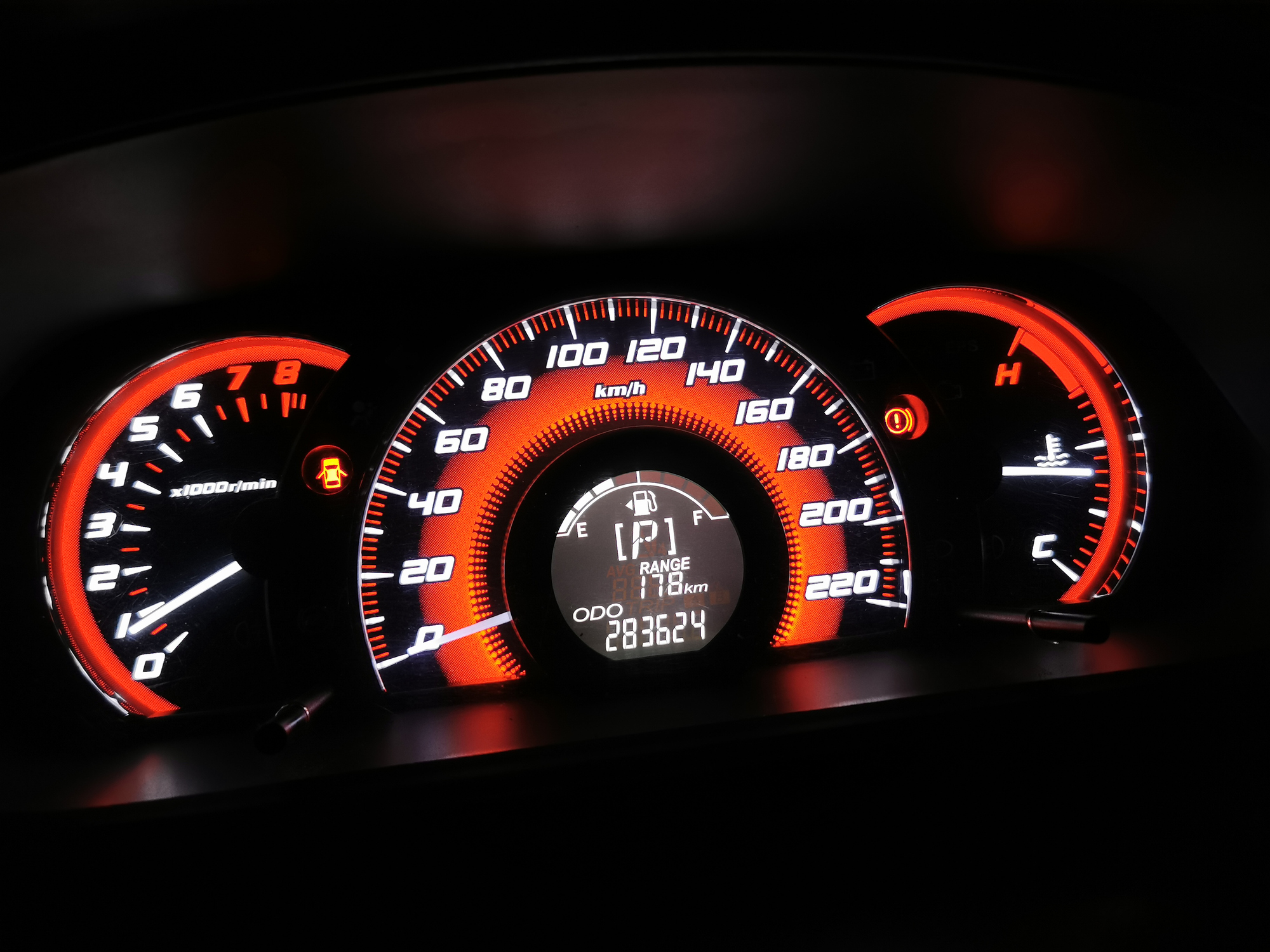
1. Mileage
A car’s mileage measures how far it has travelled and varies from low to high. How do you know if a mileage is considered low? Simple, divide the number by the car’s age! Also, confirm the odometer hasn’t been altered; if you find evidence, file a claim with the Malaysian Tribunal For Consumer Claims.
2. Tyre condition
The tyres should have enough air, but see if there are any cuts, cracks, puncture marks, or uneven tread patterns. If you don’t intend to replace the tyres just yet, make sure it’s safe enough to drive, especially on wet and slippery roads.
3. Exhaust pipe and engines
A car’s engine keeps it going, making it an absolute must-check. The fluid levels and battery connections must be sufficient, clean, and in good condition. Ensure the exhaust pipe is firmly supported, in the correct position, and works well, emitting thin and white smoke.
4. Accelerator, brake pedal, and handbrake
Pressing down on the accelerator should move the car forward, but note how fast or slow it accelerates. For the brakes, ensure they stop in time and if there are any delays or extra strength needed. Pull and test the handbrake on a hill, as a car will still not move even with the handbrake up on a flat surface.

5. Transmission
When you shift from gear to gear, does the car follow smoothly and uninterrupted? From transitioning into neutral to drive, park, reverse, and so on, look out for sudden jerks or noises as they could mean trouble with the transmission.
6. Steering wheel alignment
While test driving, check the steering wheel for shakiness or delayed movement. The steering wheel’s alignment should not drift towards the side too much, staying as centred as possible for smoother handling and driving.
7. Suspension
Without a good suspension system, good luck navigating potholes and bumps on the road! While testing the car, does the road feel bumpier than usual, or is it the car? If it squeaks constantly or struggles turning or going over a bump, the suspension may need some repairs.
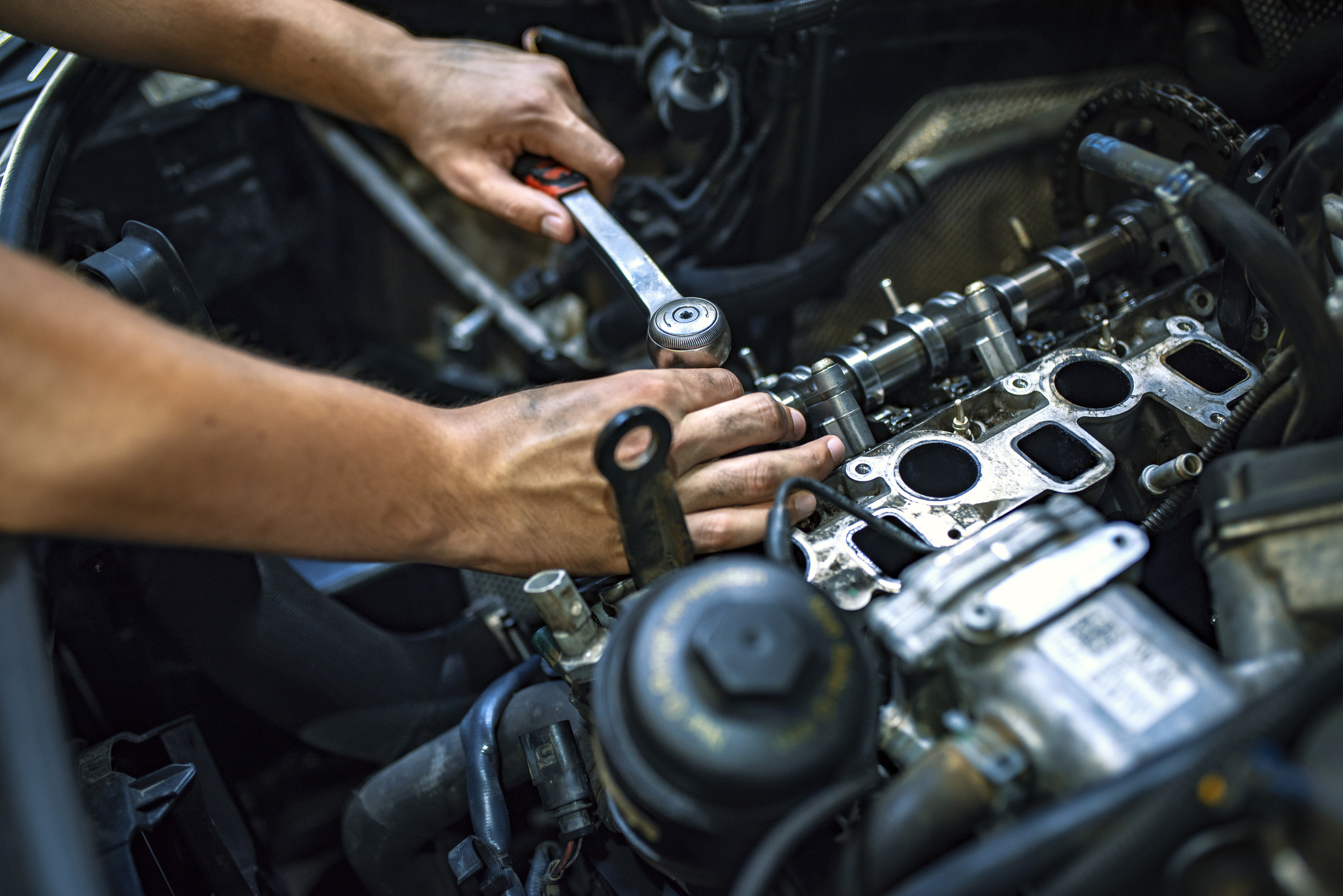
8. Belts, nuts, bolts, hoses, and other components
As small as they may be, these crucial components hold the parts of a car together for a safe ride. Located mainly under the hood and undercarriage, pay attention to the working order of the belts, nuts, bolts, hoses, chains, valves, rods, and more.
9. Any dents, scratches, or damages
From the main body to its windshield, hood, bumper, and roof, inspect it with a sharp eye for any damages, dents, or scratches. You can close an eye to a few little scars, but ultimately, even the most minor imperfections should not affect the drive and performance.
10. Signs of rust
The most common places to spot rust in a car are usually the undercarriage, car roof and body, and wheel arches. Besides that, if the vehicle has a history of flood or water damage, check the interior floor for signs of rust. If not taken care of, rust can spread and worsen damage.
11. Audio/entertainment system
A car’s audio or entertainment system helps bring life to your drive. When test driving, confirm the controls and settings work perfectly and the sound is not muffled or dull. If there is an in-built GPS, parking sensor, or car camera, they should function correctly.

12. Basic and essential car functions
You’ll be spending a lot of time in your car, so you won’t want to be in a traffic jam with an air-cond blowing hot air, would you? Test the car’s essential functions, such as the air-cond, honk, lights, locks, mirrors, seats and seatbelts, windows, and wipers, if they work before you buy.
13. Clutch (for manual cars)
Although there are not as many modern manual cars as before, demand is still high because of the power and control. If you’re in the market for a second hand manual car, check that the clutch operates smoothly without stalling, stiffening, or any alarming sounds from the gearbox.
14. Overall comfort
When test driving a car, how does the car feel for you? Are there any difficulties navigating sharp corners or being slow to pick up speed? Is the air-cond cold enough? Does it go over bumps well? Any problems with parking? You will be driving the car, so your comfort and safety are the utmost priority.
Why Check The Car During A Test Drive?
The car you buy is the car you’ll drive for at least a few years, so it must be secure and road-ready. Plus, inspecting the vehicle during your test drive can help identify any underlying issues that can cause bigger (and more expensive) problems down the road.
If you’re unsure how to examine the car, bring a trusted mechanic or car expert friend to your test drive! They might be able to help spot something you missed as well.
A car is a big purchase, so it’s better to check and test drive it to be sure of what you’re getting into. Comfort is key, and if it doesn’t feel good, put the keys back and away from the ignition.