



Finding a dream home is at the top of many wishlists. But turning that dream into reality — especially in today’s property market — can be a tall order.
New developments often come with attractive perks like early-bird discounts, freebies, and waivers on the Sale And Purchase Agreement (SPA) and other costs. Plus, their glossy showroom unit gives you a perfectly polished visual preview of the space.
While these benefits are tempting, some of the best deals and hidden gems are in the secondary (subsale) market. Unlike new developments, subsale homes, albeit lived in, often offer more mature neighbourhoods and communities, strategic locations, and possibly a bigger living space.
Before you buy a subsale property, one of the most critical steps before signing any paperwork is checking it out through and through. Use this essential checklist to inspect the property and make an informed purchase.
5 Things To Inspect In Subsale Properties
1. Structure And Foundation
The frame and foundation of a home are everything, so pay close attention if there are any cracks on the walls or floors, which could be because of settling or even deep-rooted problems. Uneven floors can allude to foundation issues or water seepage and poor construction.
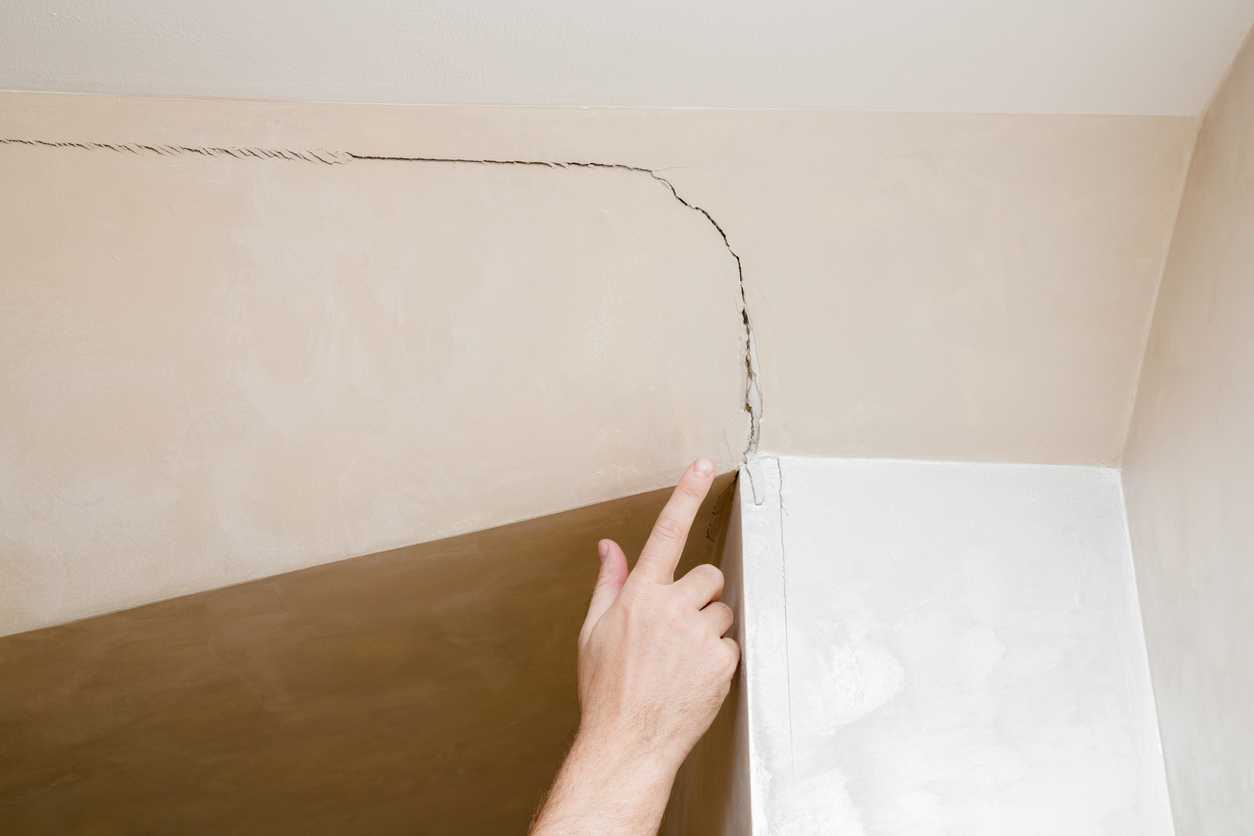
If buying a landed property, look for any roof issues: torrential rain can result in a compromised roof, a serious concern. Moreover, check for leaks or water stains on ceilings, such as brown patches or bubbling on the walls.
2. Plumbing And Sewage
Whether a new subsale property or an older one, identify potential plumbing issues by turning on the taps for more than a few minutes. The pressure should be strong and stable; weak pressure may suggest old or clogged pipes that can be replaced or cleaned thoroughly.
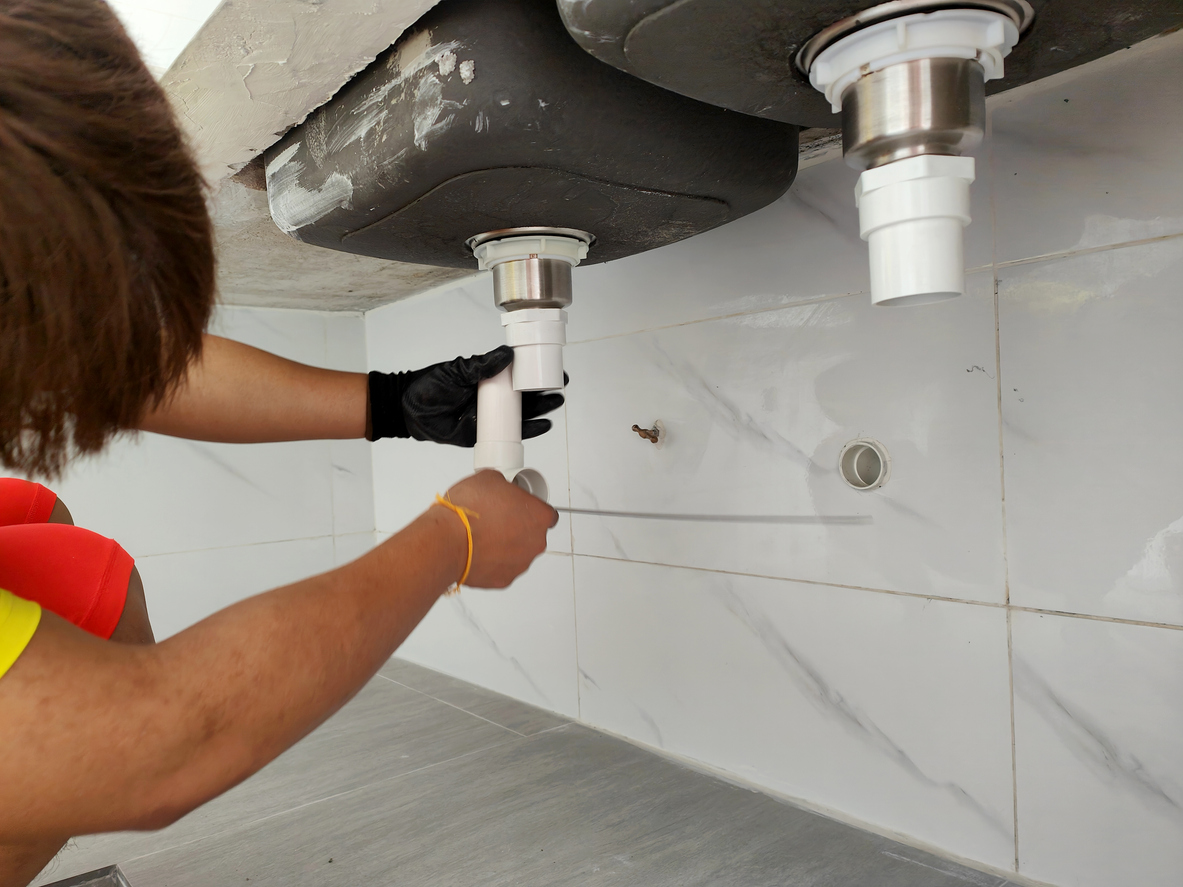
Look under sinks, around toilets, and walls (both within the bathroom and the wall outside) for any signs of stains or mildew, signalling hidden leaks. Ensure the water flows out smoothly from sinks and bathroom drains as well.
3. Electrical Issues
The safety of the occupants comes first, and a safe and functioning electrical system is non-negotiable.
When inspecting a subsale home, check for exposed wiring and test all the power points and light switches. Flickering lights or dead sockets could suggest faulty wiring that a reliable electrician can help with.
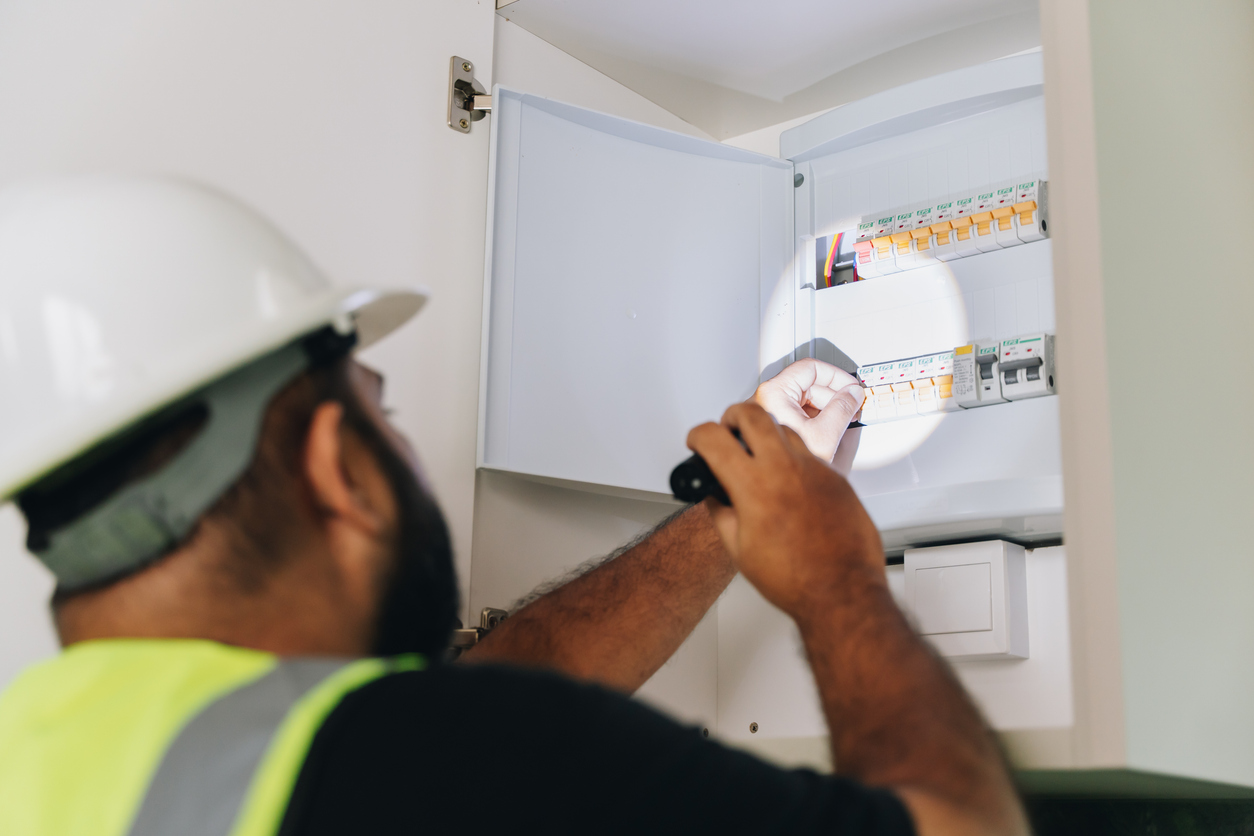
Inspect the primary switchboard or fuse box, as outdated ones could require an upgrade to accommodate all your appliances safely. It may cost a bit to update, but if left unchecked, it could result in property damages or tragedy.
4. Termites And Pests
No one likes unwanted guests, and humid conditions can attract termites and other pests.
Be that as it may, not all properties will encounter this. Still, it never hurts to be vigilant. During your inspection, keep an eye (and ear) out for hollow-sounding wood on the skirting of the doors and walls and any eaten or rotten wood which may point to termites.
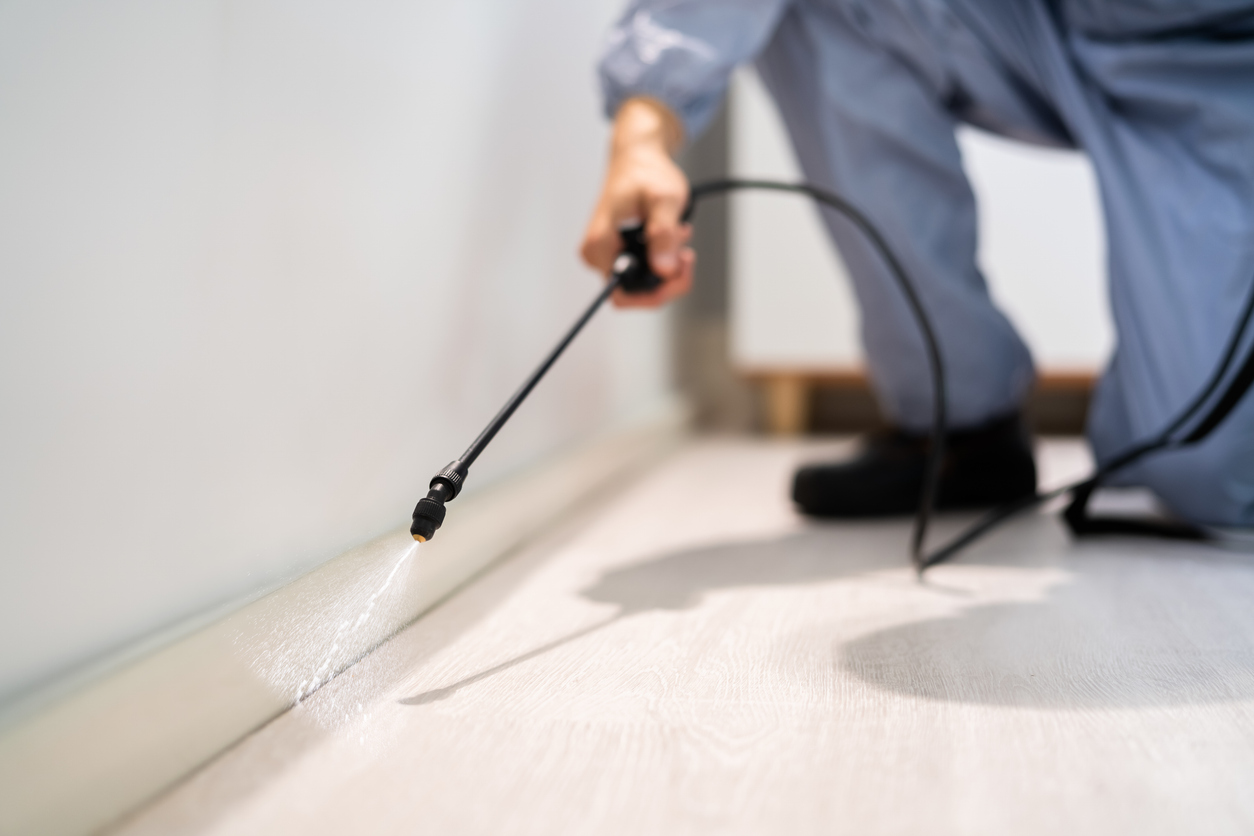
Besides that, nests, droppings, or foul smells in places like the storeroom and kitchen could reveal an ant, cockroach, or rat infestation. Look out for other pests like mosquitoes and flies that may hover around.
5. Going Into The Details
For older properties, there’s a high chance that a subsale property would have some renovation work or extensions done. If there is, look at the quality of the workmanship and if there are any issues, like uneven tiles or poor fittings.
You also need to see if any of these major renovations or extensions were approved by the local council or Management Office (MO), as it could result in unwarranted fines and refurbishment expenses later on. If in doubt, request for the renovation plans and approvals or permits to ensure the works are legit.

Other Helpful Things To Check For Subsale Properties
Beyond the factors mentioned above, other items you need to take heed of when buying a subsale property are legal and financial matters.
For one, verify that the seller is the rightful owner and that the title is free from hefty burdens (like a mortgage), especially if the property is inherited and may have multiple owners.
A professional valuation can also help you understand the property’s real market value, protecting you from overpaying and guiding your loan amount. It’s also wise to talk to neighbours or the Management Office to understand the property or area better.

Financially, be sure you can afford the property — not just the downpayment and the monthly mortgage repayment, but other costs like renovation, stamp duty, legal fees, and SPA. Also, check for any unpaid utility bills, quit rent, or maintenance fees.
Buying a subsale property can be exciting but overwhelming if you’re not sure what to look out for. Whether you’re a first-time homebuyer or an experienced investor, we hope this subsale property checklist can help you make a confident purchase.