



Often a cause of contention and debate whenever embarking on a real estate journey is the issue of freehold versus leasehold property.
If one were to seek out advice, the general consensus is that a freehold property is often the more preferred choice. But it isn’t that simple, once you delve a little bit deeper into the subject.
In layman terms, the main difference is rooted in the land titles the property is situated on. By definition, a freehold property means full ownership of the land/property.
A property on leasehold land means the title is owned by the government over a period of time such as 99 years. That basically means that upon the expiry of the leasehold title, the land reverts to the state, unless it gets renewed.
A Question Of Value
Owing to the nature of freehold properties and its perpetual ownership for owners, they are naturally more expensive. In the eyes of the market, freehold properties are favoured as it provides greater flexibility in terms of use and transfer of ownership.
As a result of this, freehold properties are perceived to be of greater value resulting in better capital appreciation over time. As such, freehold real estate and developments are often priced higher and are limited, especially in prime areas. This makes them less accessible, more expensive, and occasionally hard to come by especially in today’s market.
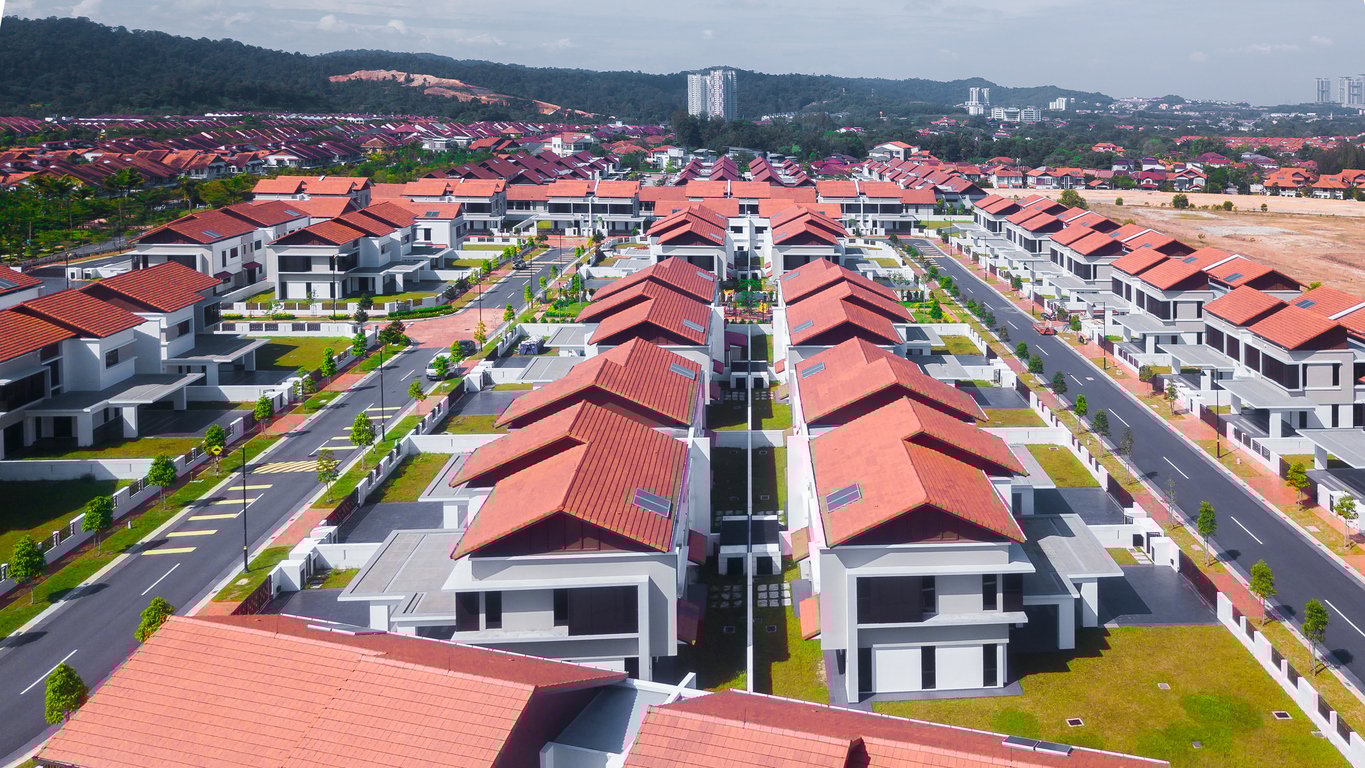
Leasehold properties, on the other hand, are subjected to a timeline, which automatically makes them slightly cheaper. That said, although it comes at a lower entry rate, owners do have to contend with lower appreciation over the years. However, it remains an enticing prospect for those on a smaller budget and for investors who want to tap into the rental market.
Selling a leasehold property also takes a slightly longer period as the owner needs to wait for state consent. Financing may also prove to be difficult to obtain for subsale units if the lease tenure is shortened.
Understand The Legalities
Although freehold property owners own the land the property is on and have the freedom to sub-divide and develop it as they choose, they do need to do so in accordance with town-planning control, along with approval by the local authorities.
Additionally, although owners of freehold properties own it for perpetuity, the state or federal government can still acquire the property (under the Land Acquisition Act of 1960) for economic or urban developments, such as public transport infrastructure.

When it comes to apartments, condos, and high rises, the developer owns the master title for the land before it is distributed into the strata title (common area) and individual title (home).
For leasehold property owners, despite the land having a specific timeline of ownership, owners have the option of applying for an extension for a fee, provided that the state has no plans to develop the area or the land the property is on.
Leasehold properties also come with restrictions and conditions listed in the lease. For example, the lease may be forfeited by the state if the owner fails or seems unfit to maintain the property.
Which Is Better For You?
There is no right answer as both freehold and leasehold properties come with their own respective pros and cons. Mostly, the decision is determined by both budget concerns and investment strategy.

There are prime areas that cater to both freehold and leasehold properties making them viable prospects: Damansara Heights and Bangsar for example are highly coveted upscale neighbourhoods which are predominantly freehold. Leasehold areas in Cyberjaya and Bandar Sunway also hold appeal due to their surrounding infrastructure as well as commercial appeal.
For long-term investors and those seeking for their forever home, freehold properties are definitely more appealing due to the permanent ownership and potential capital appreciation.
However, for those with a limited budget and looking to capitalise on the short-term and long-term rental market, leasehold properties could prove to be more viable and affordable.
| The Basics | Freehold | Leasehold |
| Ownership | Forever (perpetual) | Limited to 99/999 years. Can be renewed |
| Value | Priced higher | Lower entry point/initial cost |
| Capital Appreciation | Good as no limitation to property tenure | Value depreciates over time with shortened lease period |
| Rental Yield | Lower owing to higher cost of entry | Better due to low cost of entry |
| Ease Of Selling | Straightforward as per standard SPA (Sales And Purchase Agreement) | Longer, requires state consent approval |
| Financing | Based on value of the property and the financial health of the borrower | Can be difficult and limited especially with properties with shorter lease duration |
Freehold Or Leasehold?
Freehold has always been the safer bet when it comes to long-term property ownership. However, one cannot disregard the appeal of leasehold properties in the investment market, especially as they have become more common in current years.
A leasehold of 99 years may seem finite, but it should be sufficient for two generations with the option for renewal, which could extend it further down the family line.
One also has to factor in other aspects beyond cost that pertain to both types of properties, such as location, accessibility, connectivity, amenities, and facilities. It has to tick all the right boxes of what an owner wants and needs on their real estate journey, and only then will the answer present itself.