


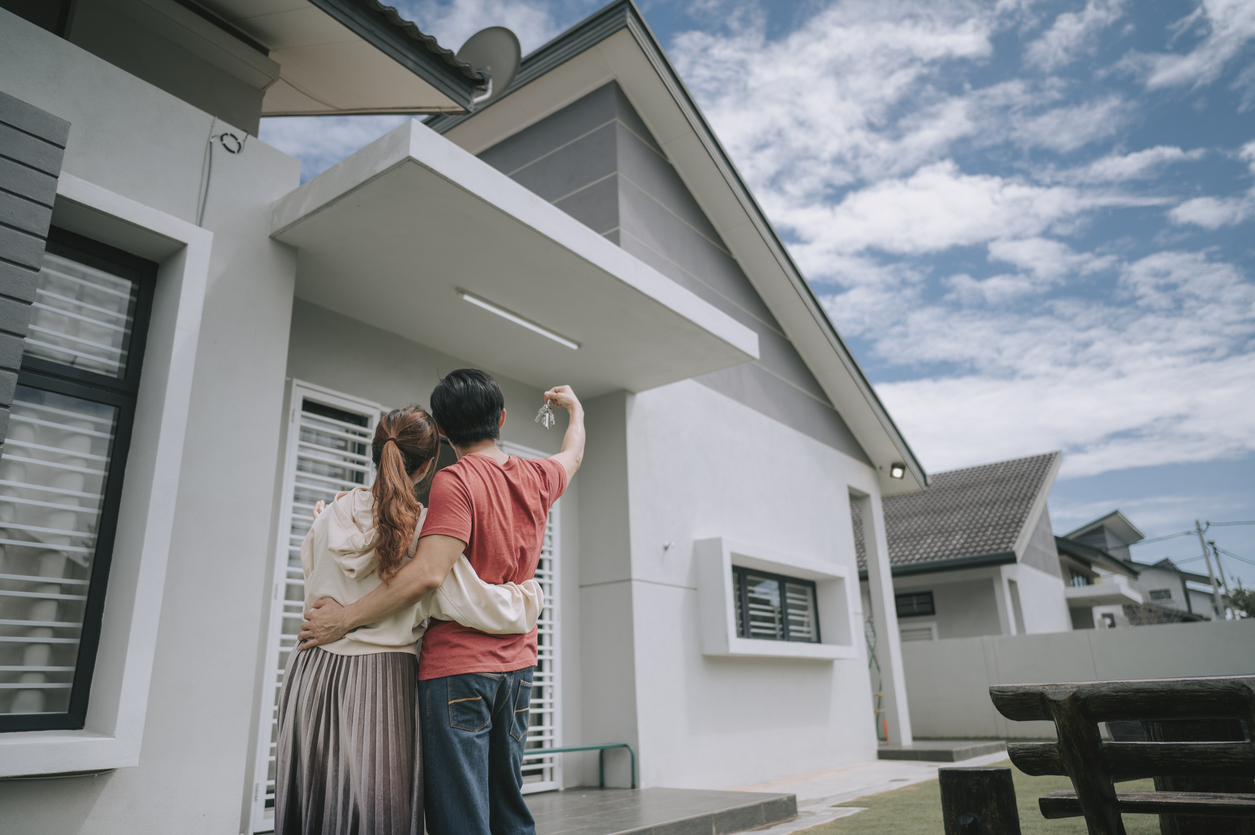
Renting a property has become increasingly more common than buying, propelled by market factors like better flexibility, prices, access, and more.
Some rentals may only have a minimum tenure of one or two years. That means once the tenure is over, and should the tenant want to, they have the flexibility to look for an alternate place, ideal for those interested in exploring different apartments and properties.
Moreover, the price of renting a place has a lower barrier of entry than buying a property. No 10% downpayment is needed, no in-depth credit score checking, and the monthly rental can be much cheaper than the monthly mortgage!
With more turning to renting, it’s important to know exactly what a tenancy agreement is and what it consists of to safeguard your renting experience – and this goes for both the tenant and landlord!
What Is In A Tenancy Agreement?
A tenancy agreement, also known as a rental agreement, is an official and legal agreement that covers the responsibilities, terms, and conditions of the tenant and landlord throughout the tenancy (a.k.a., the duration of renting).
This simple yet crucial document outlines all the tenancy details both parties must agree on, and it helps prevent any misunderstandings or conflicts that may arise.
1. Basic information of both parties
- Full and legal name.
- NRIC number or passport number (for non-Malaysians).
- Contact number.
2. Information about the rental property and its purpose
| Item | Details / Example |
| Type of property | A landed terrace house, condominium, room in an apartment, duplex unit, etc. |
| Location and address | The property’s full address, including the house or unit number. |
| Scope of rental | Specify clearly if it is an entire unit or just a room. |
| Furnishing and other items included in the rental | A complete list of furnishings or fixtures provided, along with notable items like how many car park bays are provided, a small garden, an outdoor pool, etc. |
3. Duration of the tenancy
| Item | Details / Example |
| Start and end dates of the tenancy | Specify clearly when the tenancy begins and ends. Example: 01 January 2025 – 01 January 2027. |
| Duration of rental | Determine if it is a short-term rental (month-on-month basis) or a long-term rental (1-3 years). If it is more than three years, it is considered a lease. |
| Notice period | How early the tenancy can be ended. |
| Renewal clauses | Terms and conditions if the tenancy is renewed. |
| Early termination clauses | Terms and conditions if the tenancy were to be terminated earlier than the agreed duration. |
| Contract signing date | The date both parties enter into the contract. |
4. Rental and deposit payment terms
| Item | Details / Example |
| Rental amount | The agreed upon rental amount in Ringgit Malaysia. Example: RM1,000.00 per month. |
| Payment due date | The due date for rental payments every month. |
| Payment method | The method of paying the monthly rent, such as bank transfer, cheque, etc. |
| Deposits required and terms and conditions | The exact amount, type of deposit, and return conditions. These include the security deposit, utility deposit, and earnest deposit. |
A security deposit is usually worth 1-2 month’s rent and guarantees the tenant upholds the T&Cs of the agreement. During the tenancy, the security deposit will cover losses or damages, including if the tenant runs away. However, if there are no damages or arrears at the end of the tenancy, the amount will be fully returned to the tenant.
A utility deposit can be half a month or one month’s rent and is used to cover any monthly utility bills should the tenant fail to pay. Likewise, if there are no outstanding utility bills at the end of the tenancy, the tenant can expect a full return.
An earnest deposit represents the booking fee to secure a rental property and is typically one month’s rent, although it may differ. Unlike other deposits, an earnest deposit can be non-refundable or instead, used as the first month’s rent, or even considered a security deposit.
The additional deposits required can total up to three months of rent. However, the specifics are up to the landlord, though it can be discussed between the two parties to work out the terms.

5. Responsibilities of the tenant and landlord
For the tenant, this includes:
- Paying the monthly rent and utilities on time.
- No renovation, subletting, or using the property for purposes other than what is stipulated in the agreement, including but not limited to illegal or immoral activities.
- Maintaining the condition of the furnishings or appliances provided and upkeep of the property.
- Following the rules and regulations of the property/condominium, including the landlord’s.
- Notifying the landlord of any damages, defects, or problems that may arise.
For the landlord, this includes:
- Ensuring the property is maintained and in satisfactory living condition, including paying necessary maintenance or repair costs.
- Ensuring the furnishings or appliances provided to the tenant are in good working condition.
- Paying the yearly property tax and rental income tax on time.
- Providing the tenant with privacy and uninterrupted access to the property without any intrusion.

Stamp Duty For Tenancy Agreement
The tenancy agreement must be prepared by a lawyer, whether appointed by the landlord or the tenant. It must also be stamped by the Malaysia Inland Revenue Authority, or Lembaga Hasil Dalam Negeri Malaysia (LHDN), to make the agreement legally binding.
This stamping incurs stamp duty, a type of tax for stamping transactional documents. The stamp duty is paid by the tenant, not the landlord.
2025 Stamp Duty Rates
| Rental Duration | Stamp Duty Charges |
| Less than one year | RM1.00 for every RM250 of the yearly rent amount, and after RM2,400 exemption. |
| For more than one year, but less than three years | RM3.00 for every RM250 of the yearly rent amount, and after RM2,400 exemption. |
| For more than three years, but less than five years | RM5.00 for every RM250 of the yearly rent amount, and after RM2,400 exemption. |
To understand stamp duty fees better, here’s an example of how to calculate stamp duty for rentals:
Monthly rent: RM1,000
Rent for two years (24 months): RM1,000 × 24 = RM24,000
2-year rent minus the RM2,400 exemption: RM24,000 – RM2,400 = RM21,600
Divide the remaining amount into sections of RM250: RM21,600 ÷ 250 = 86.4 sections (round down to 86)
Total stamp duty fees for 2-year tenancy: 86 sections × RM3 = RM258
Furthermore, ensure your tenancy agreement is stamped within 30 days of execution to avoid a late penalty!
2025 Late Stamping Penalty
| Time Gap | Penalty |
| Less than three months | Either RM50 or 10% of the unpaid stamp duty, depending on the higher amount. |
| More than three months | Either RM100 or 20% of the unpaid stamp duty, depending on the higher amount. |
Other Tenancy Agreement Fees
Besides the deposits and stamp duty, other fees related to the tenancy agreement include administration and legal fees.
Admin fees are a one-off charge that depends on the monthly rental amount. It is paid by the tenant and can range from RM100 to a few hundred Ringgits, but the final chargeable amount is up to the landlord or the real estate agency assisting the tenant.
Legal fees depend on if the rental duration is less than three years or more. The monthly and yearly rental amount influences the cost of the legal fees, which can be paid by both the landlord and tenant or by the tenant fully.

Looking For Properties For Rent?
If you’re almost up on your tenancy or lease and browsing for a new place to rent, check out Mudah.my for all kinds of properties for rent in Malaysia!
Not looking to rent anymore? Fret not, we’ve got you covered with properties for sale in all types, sizes, and designs for you to settle down and turn into your home sweet home.